Choose the right starting point
Roofing services backed by real job photos and clear standards.
Each service below explains what the work solves, why it matters, and how it helps owners make a practical roof decision for a home, rental, business property, or coastal building.
Not sure which roofing or gutter service fits? Request a roof inspection with the town, property type, and roof or gutter concern. Photos are optional but helpful when they show the issue.
Roof repair
Find the roof issue and fix it with a clean, documented plan.
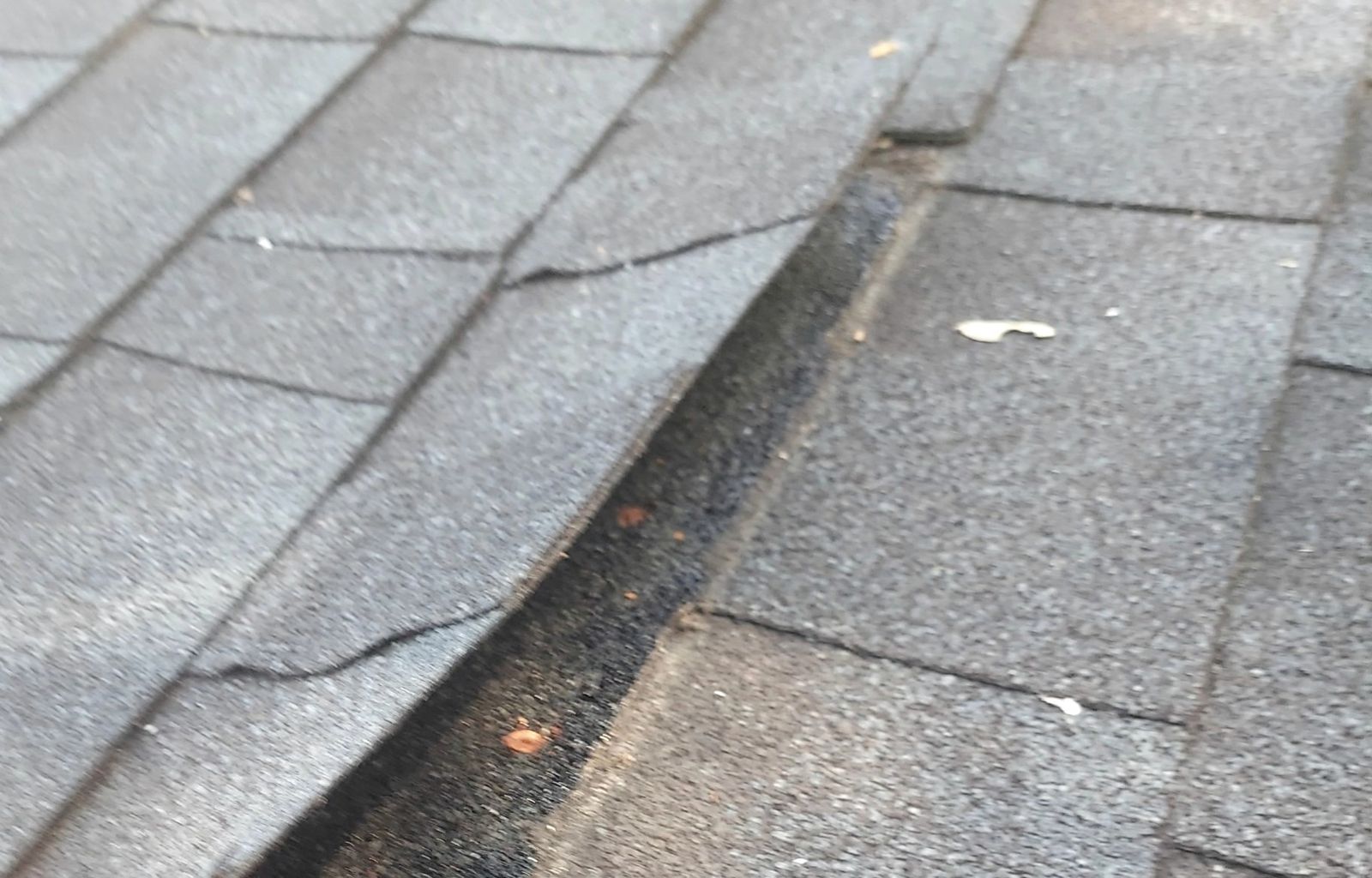
Leak concerns, loose shingles, damaged areas, roof edge problems, and small sections that need a clear repair plan before they turn into bigger damage.
Good fit for: Homeowners, rental property owners, and business property owners who want to address a localized issue while the rest of the roof still has useful life.
Why it matters: A focused repair can protect interior finishes, reduce water exposure, and help preserve the roof before a small issue becomes a larger expense.
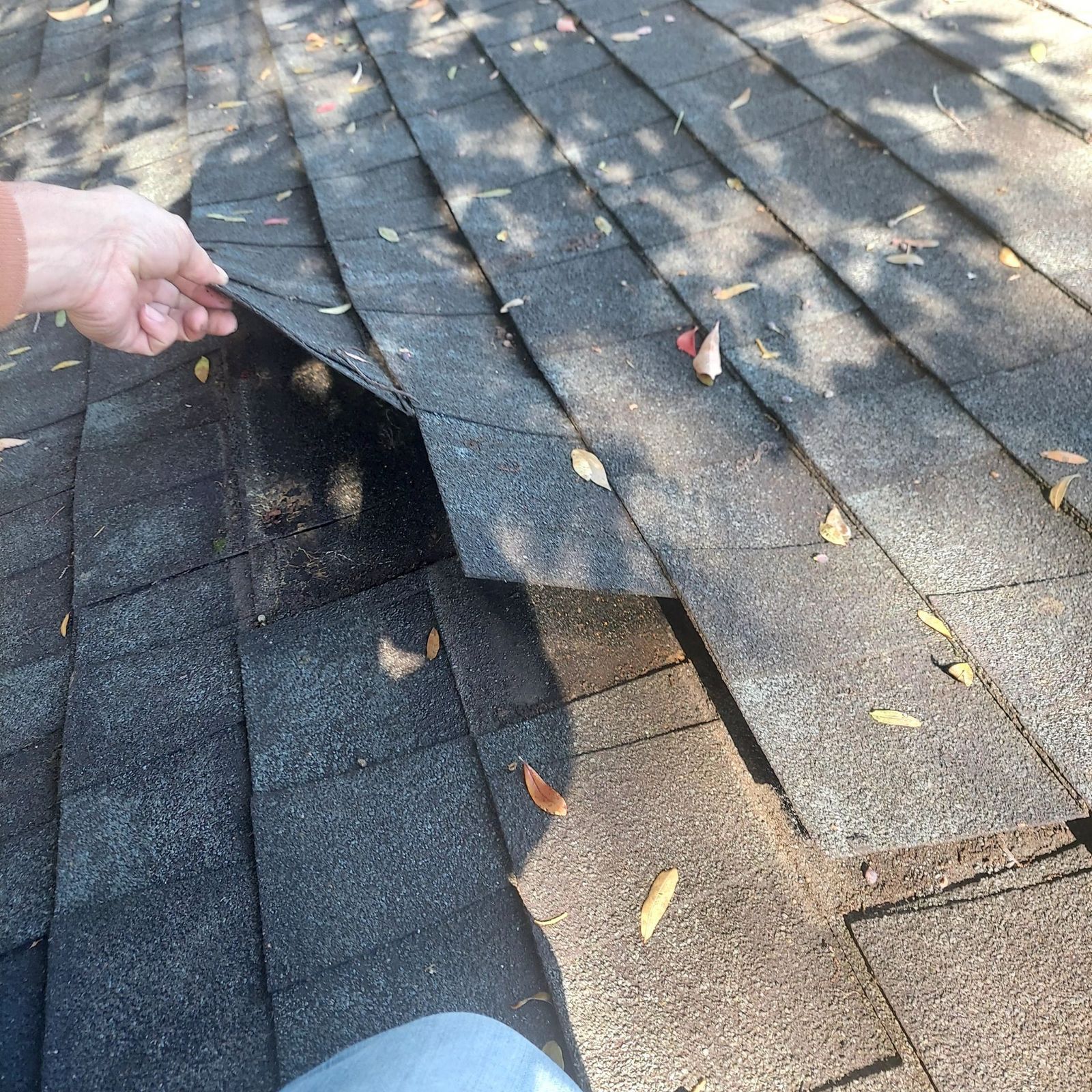
When to call: You see a leak, lifted shingles, missing material, staining, or a roof detail that does not look right after wind or rain.
Roof replacement
Replace aging roofs with a cleaner, better-planned finished system.
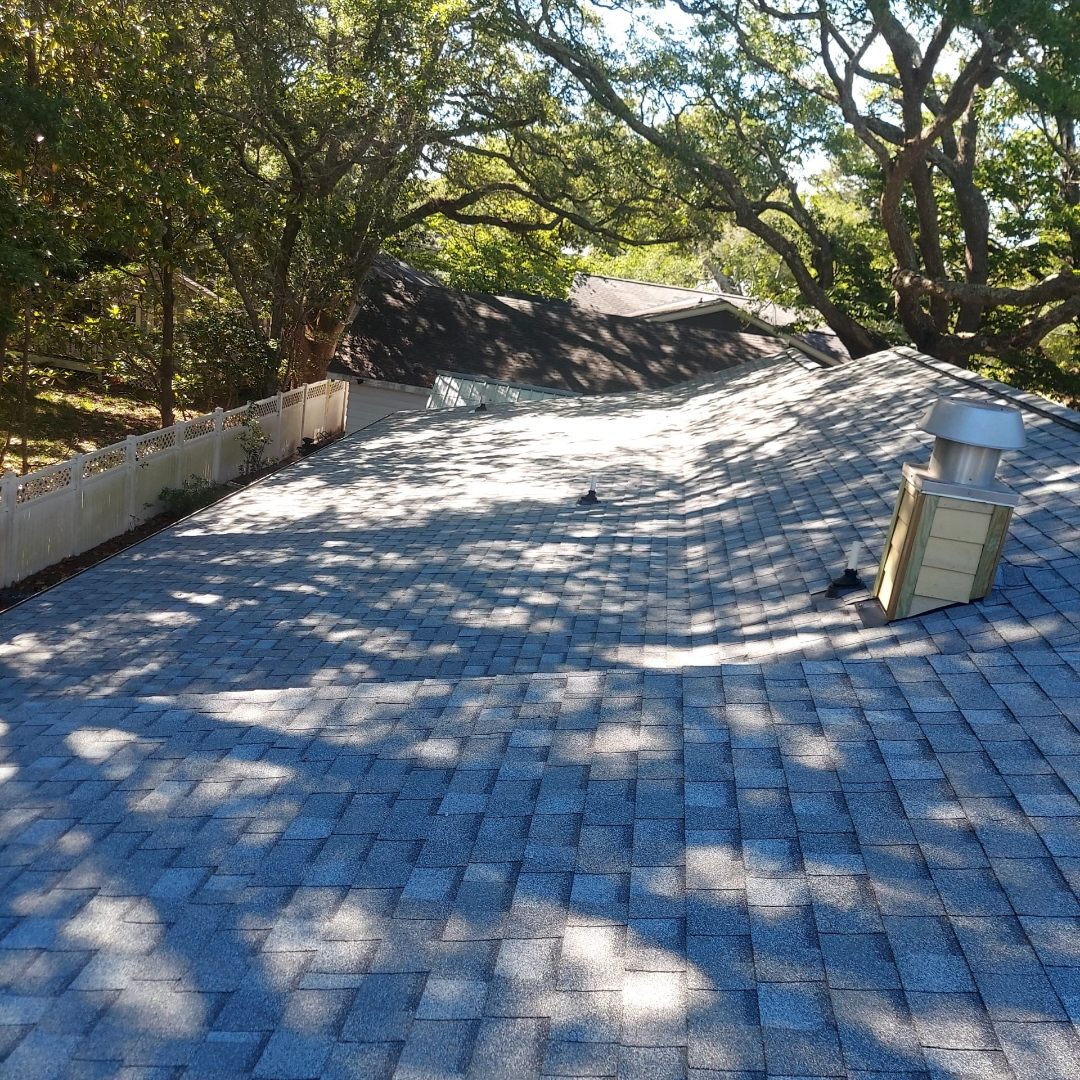
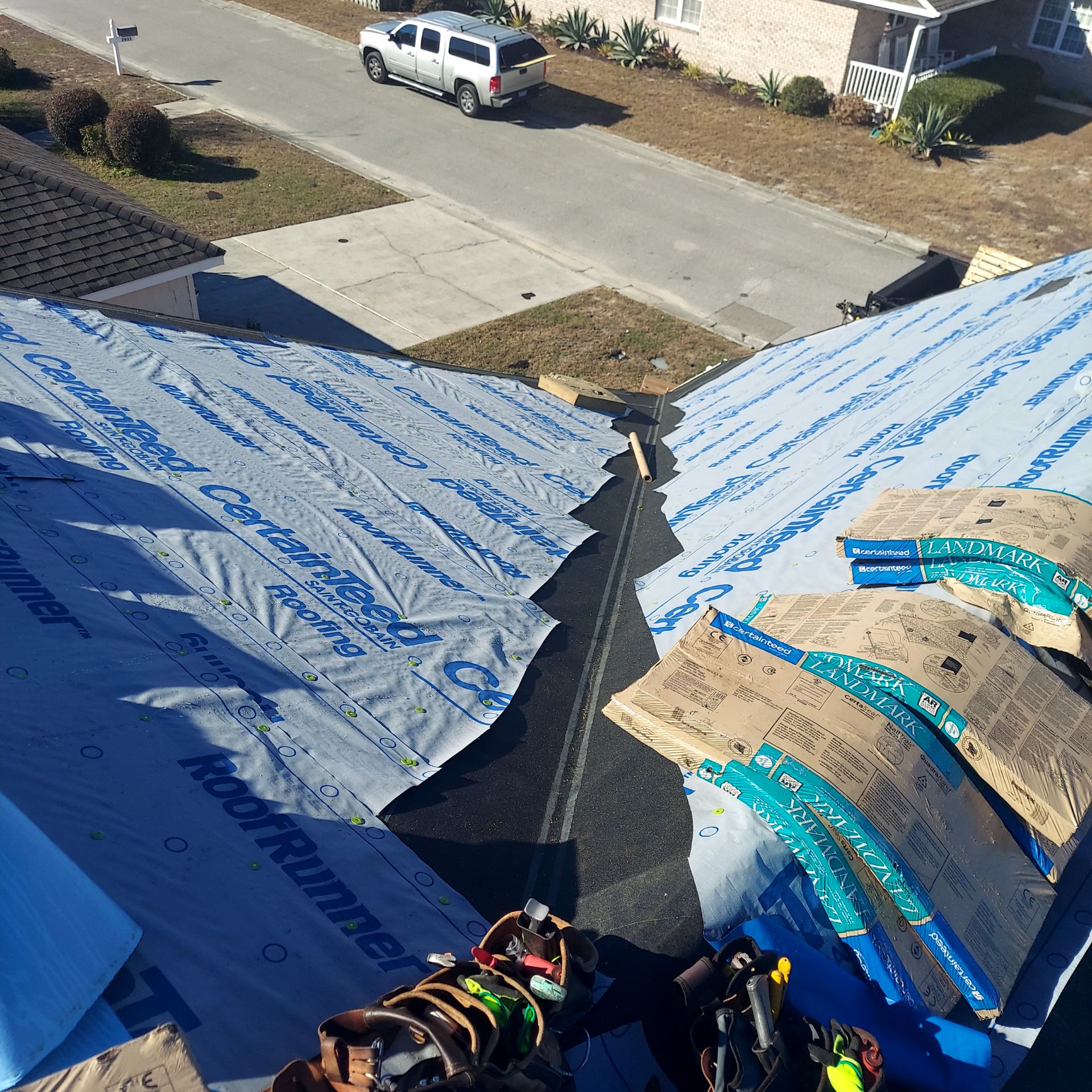
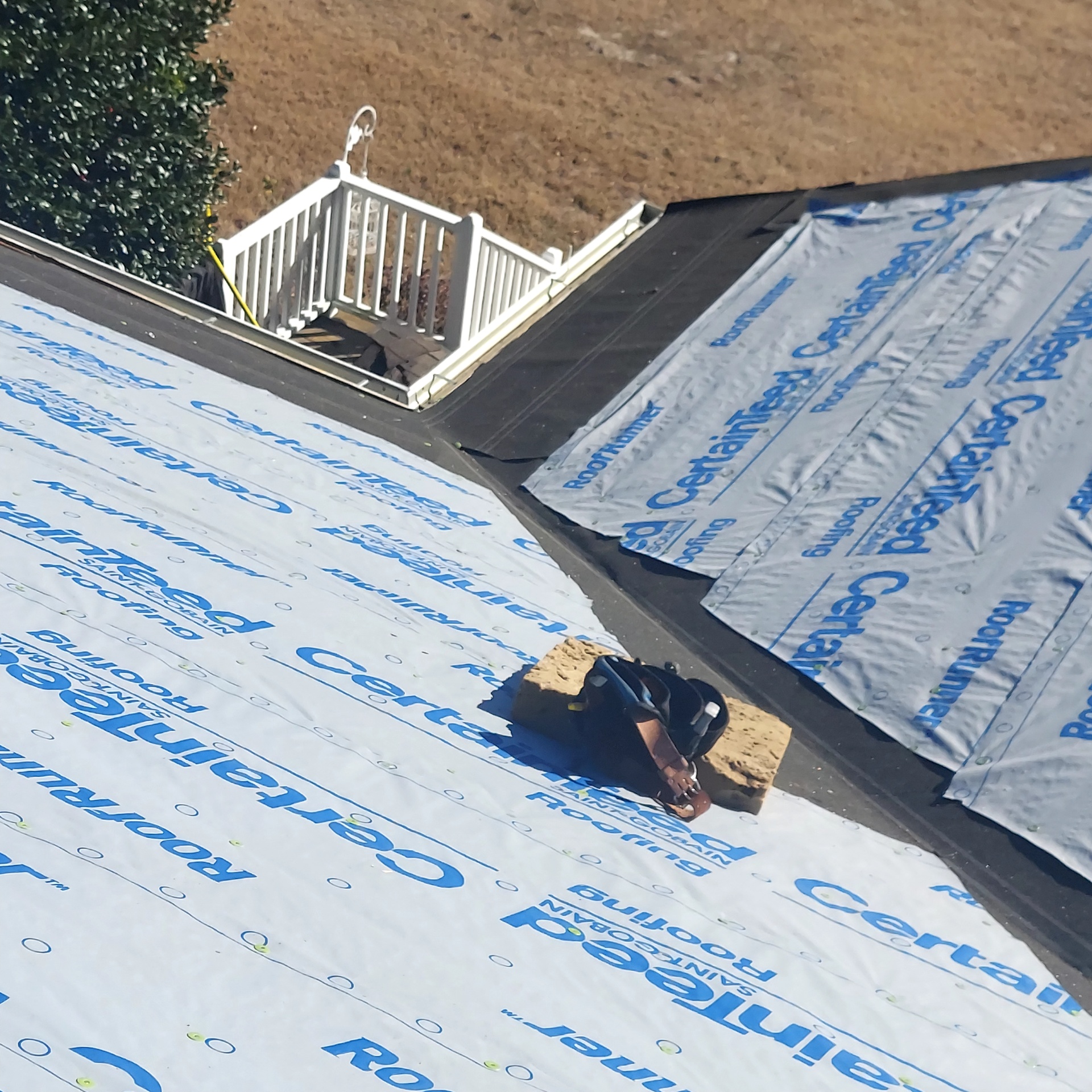
For roofs that are past simple repair, Vera's Roofing can talk through replacement planning, tear-off needs, roofline details, ventilation, material choices, code-related planning questions, finished shingle or metal choices, CertainTeed roof system questions, and whether hand-nailed shingle work belongs in the agreed scope.
Good fit for: Older homes, rental properties, business properties, homes being prepared for sale, or owners tired of repeated repair calls on the same aging roof.
Why it matters: A well-planned replacement protects the structure, improves curb appeal, and gives owners a cleaner long-term roof plan. On shingle work, nail placement and nail depth matter because overdriven, angled, or misplaced nails can reduce how well shingles hold through wind and storm exposure.
What this solves: Aging roof surfaces, widespread wear, repeated leak calls, or roof systems that need a full reset instead of another patch.
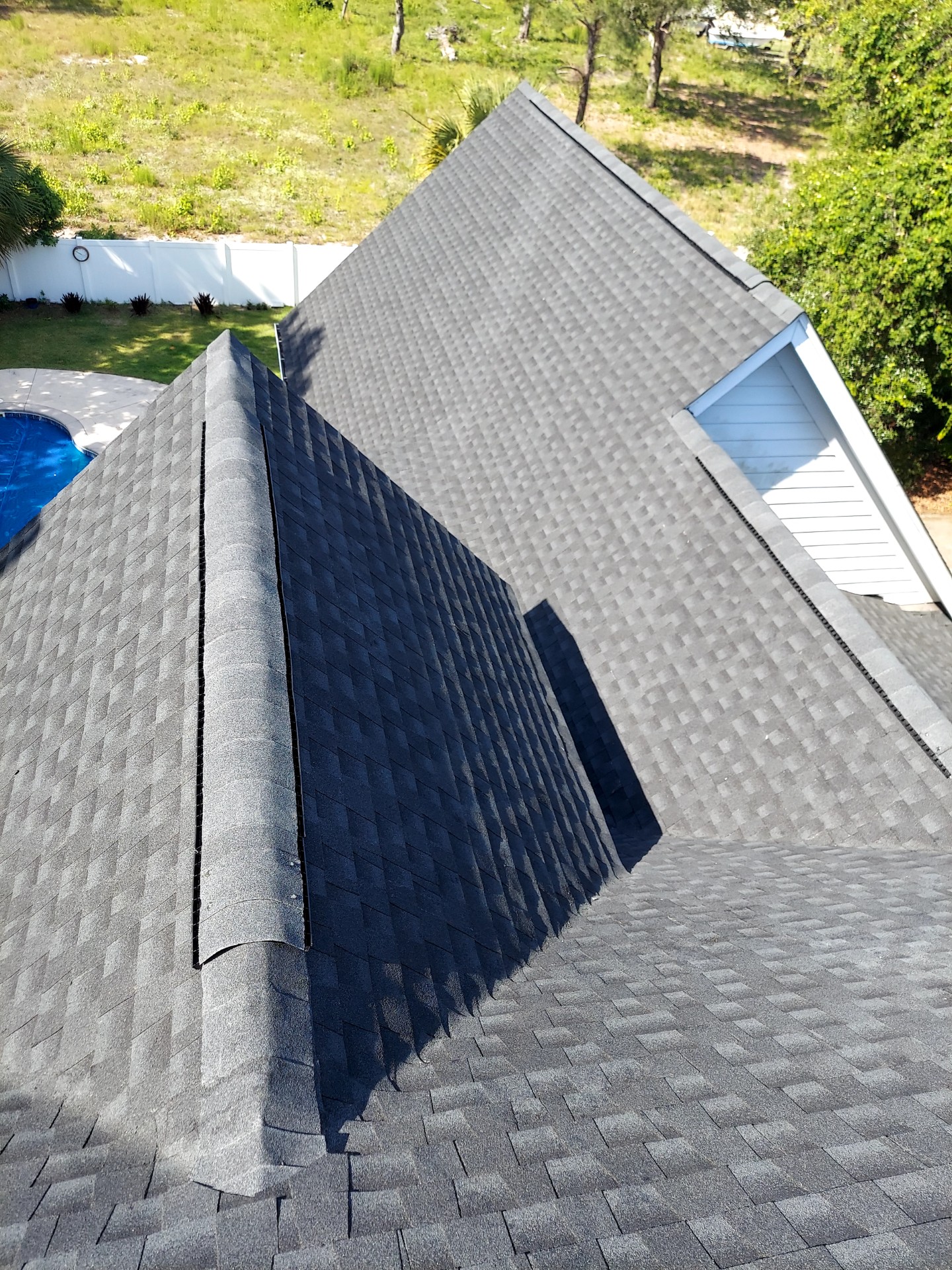
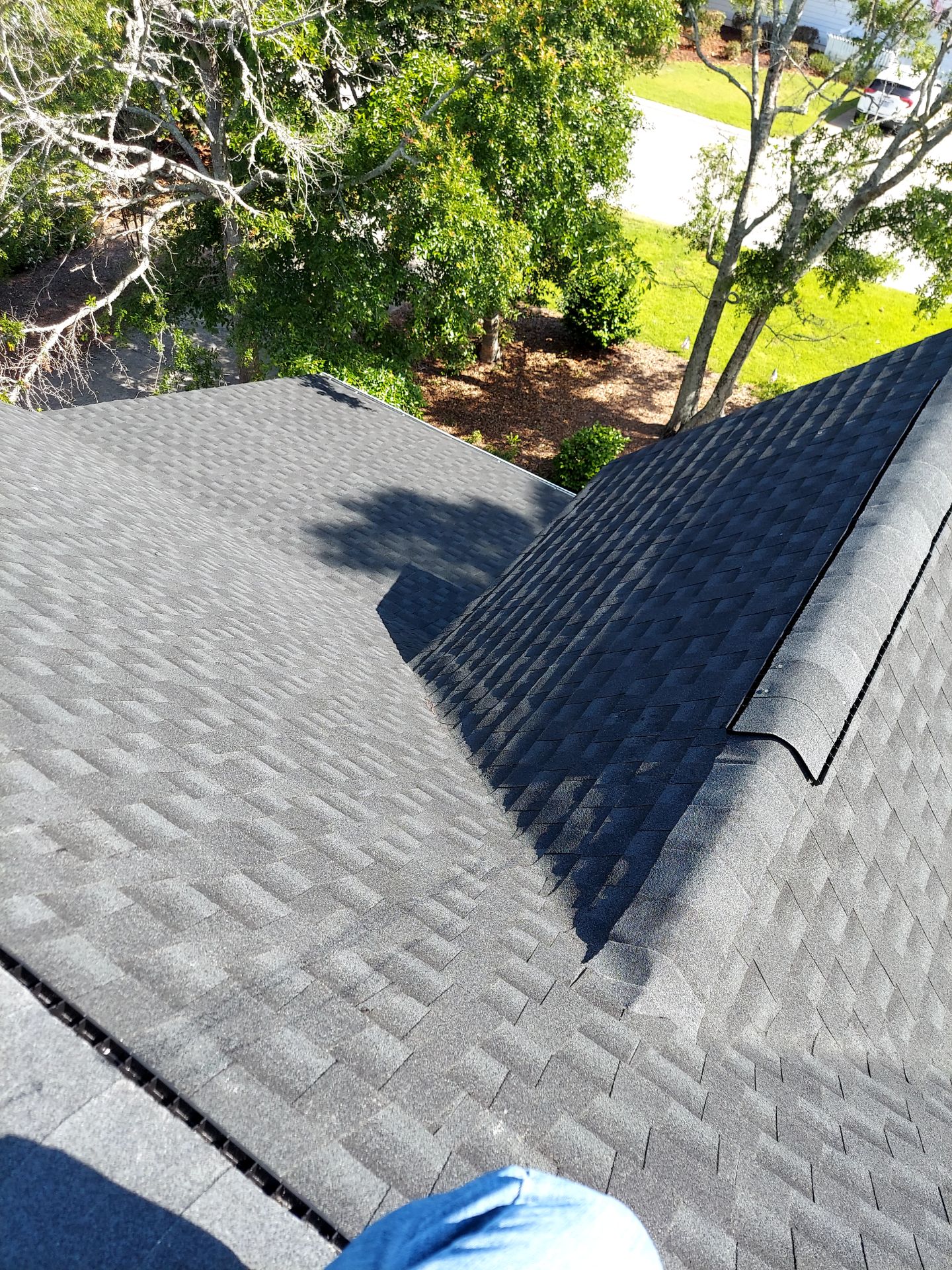
Hand-nailed shingle work
Shingle fastening is one place where precision still matters.
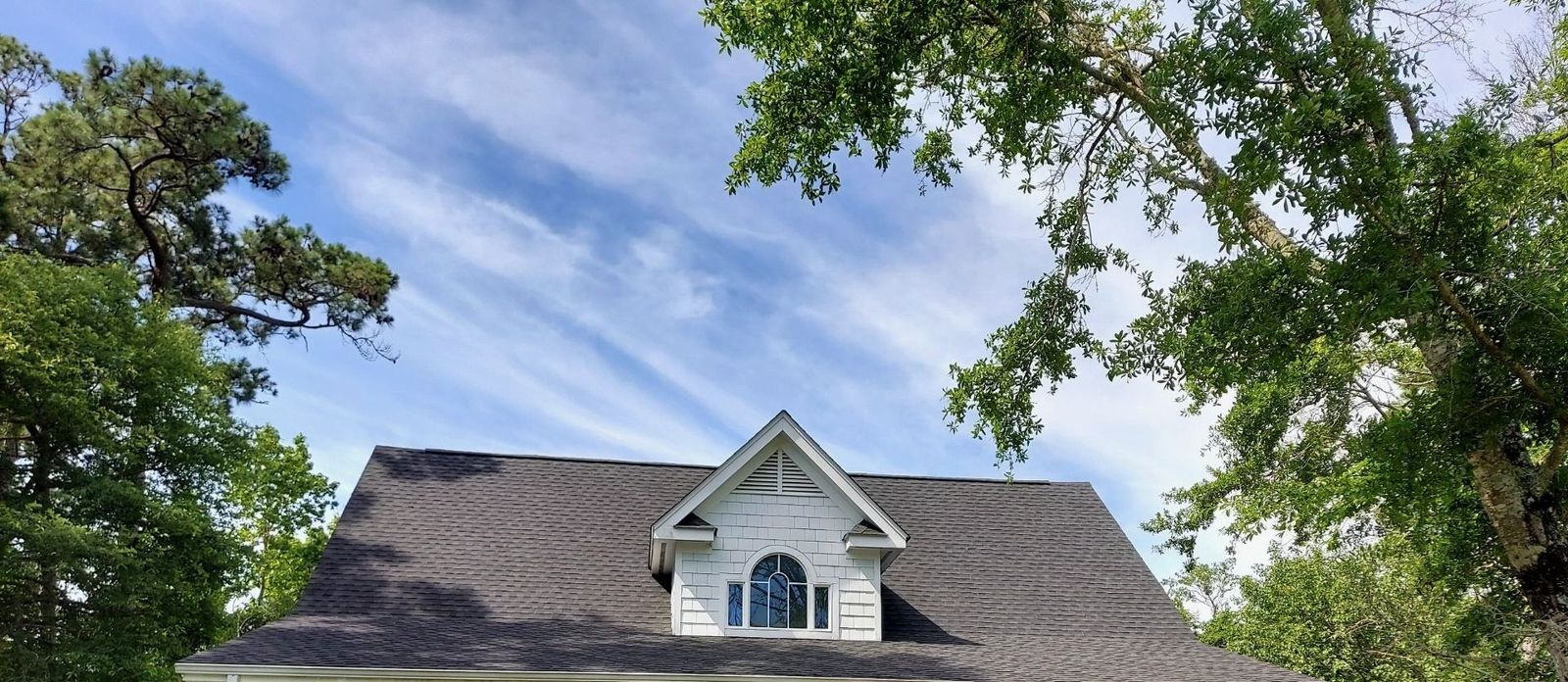
When hand-nailing is part of your replacement scope, the crew can check nail placement and depth before the next shingle covers it. That matters on coastal homes where wind exposure makes correct fastening especially important.
Good fit for: Homeowners comparing shingle replacement options, coastal properties exposed to wind, and owners who want to know what to ask about fastening care, nail placement, and nail depth before choosing a shingle replacement plan.
Why it matters: Shingles are designed to be fastened in the correct nailing area and held by nails driven flush, not blown through the shingle. Overdriven, crooked, or misplaced nails can cut into the shingle, reduce anchorage, and make wind-related shingle loss more likely.
What to ask: Ask how the crew checks nail placement, nail depth, and corrections when a fastener misses the right spot. Vera's Roofing can explain when hand-nailing makes sense for your roof plan.
Why hand-nailing stands out
It is slower, but it gives the installer direct feedback on each fastener: where the nail lands, how deep it sets, and whether it should be corrected before the next shingle covers it.
Nail placement Nail depth Fastener control Slower, deliberate fasteningCertainTeed ShingleMaster credential
Roof system choices can affect manufacturer warranty options.
Vera's Roofing is a CertainTeed ShingleMaster credentialed roofing company. For eligible CertainTeed shingle replacements, Vera's Roofing can help you compare the roof system, warranty paperwork, registration, transfer rules, and exclusions before materials are ordered.
Good fit for: Homeowners planning a full shingle replacement who want to compare not just color and price, but also the roof system, manufacturer paperwork, transfer rules, and long-term product coverage options.
Why it matters: Eligible CertainTeed roof systems may include manufacturer-backed coverage for covered product failures, but coverage levels, labor terms, registration, transfer rules, and exclusions depend on the selected products, system, property type, installation requirements, and CertainTeed's current written terms.
What to confirm: Ask which warranty level applies, what products must be used, what registration is required, what is transferable if the home is sold, and what CertainTeed excludes. Vera's Roofing can review current CertainTeed warranty documents and written eligibility requirements with you before you choose the system.
 Ask about eligible systems
The warranty conversation belongs before materials are ordered, because coverage can depend on the full roof system, installation requirements, documentation, and registration.
ShingleMaster credential Eligible systems Manufacturer terms Transfer rulesCertified FORTIFIED roofing contractor
Verify the provider before planning an eligible resilient reroof.
The official FORTIFIED Provider Directory lists Vera's Roofing as Compliant and Gustavo Vera as an Active Roofer, Provider ID R012048. The profile lists Wind, Hail and Hurricane certifications.
Good fit for: Coastal property owners considering the FORTIFIED Home™ standard, working with an evaluator, or reviewing current grant or insurance requirements before a reroof.
Important distinction: Contractor certification does not guarantee that a property will receive a designation, grant award, reimbursement, or insurance benefit. Those outcomes depend on current rules and project-specific verification.
 Official directory status
Current public profile details provide a checkable credential signal for homeowners comparing FORTIFIED roofing contractors.
Active Roofer Provider R012048 Company Compliant Wind · Hail · HurricaneStorm documentation
Document visible roof condition after wind or storms.
Documented photos and notes help property owners understand visible roof condition and keep better records for repair planning.
Good fit for: Owners who need photos and notes after wind, hail, falling limbs, water entry, or a storm season that may have changed the roof condition on a home, rental, or business property.
Why it matters: Clear photos and notes help owners compare repair needs and keep useful records for future maintenance decisions.
When to call: After wind, hail, heavy rain, falling limbs, loose shingles, water entry, or anything that needs clear roof condition photos.
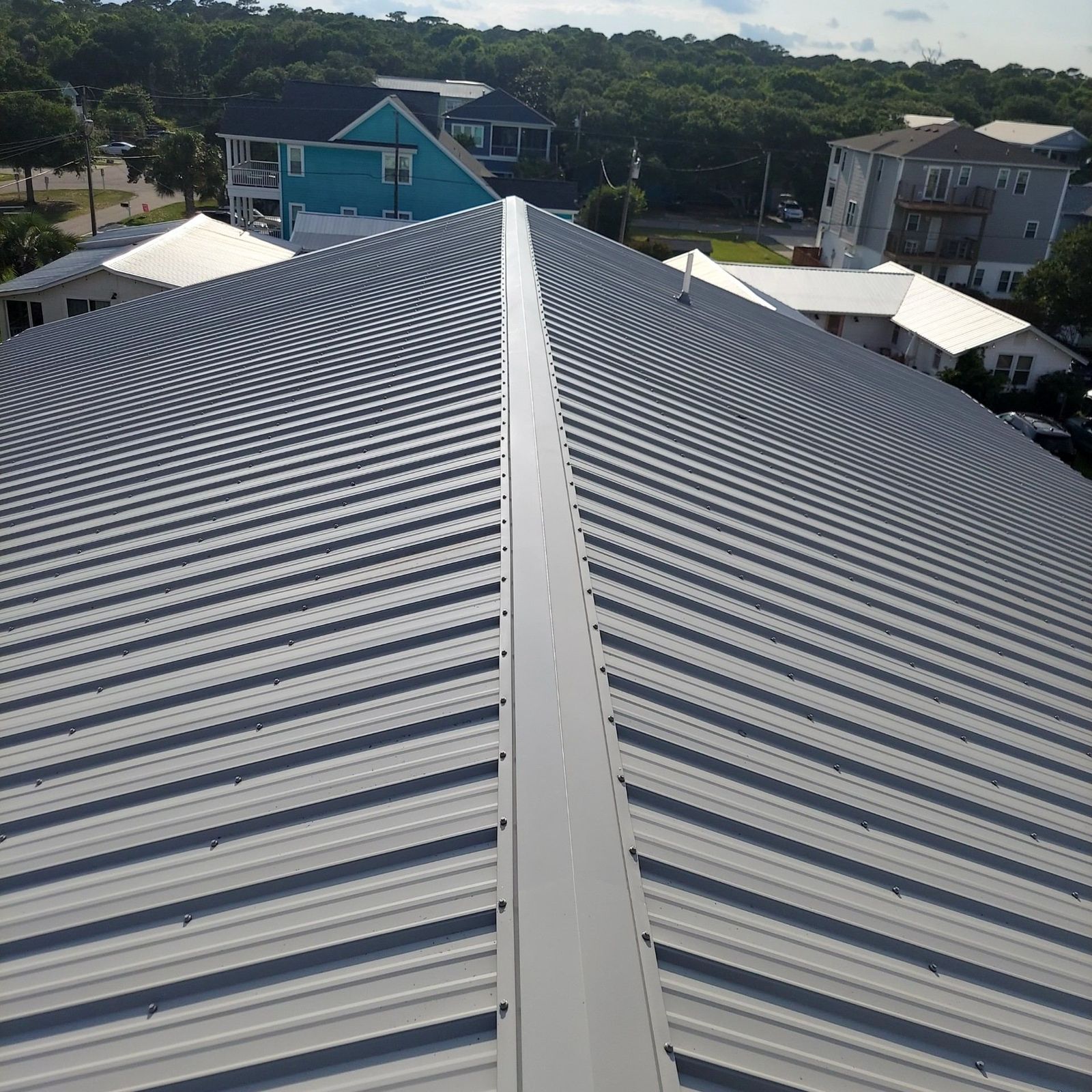
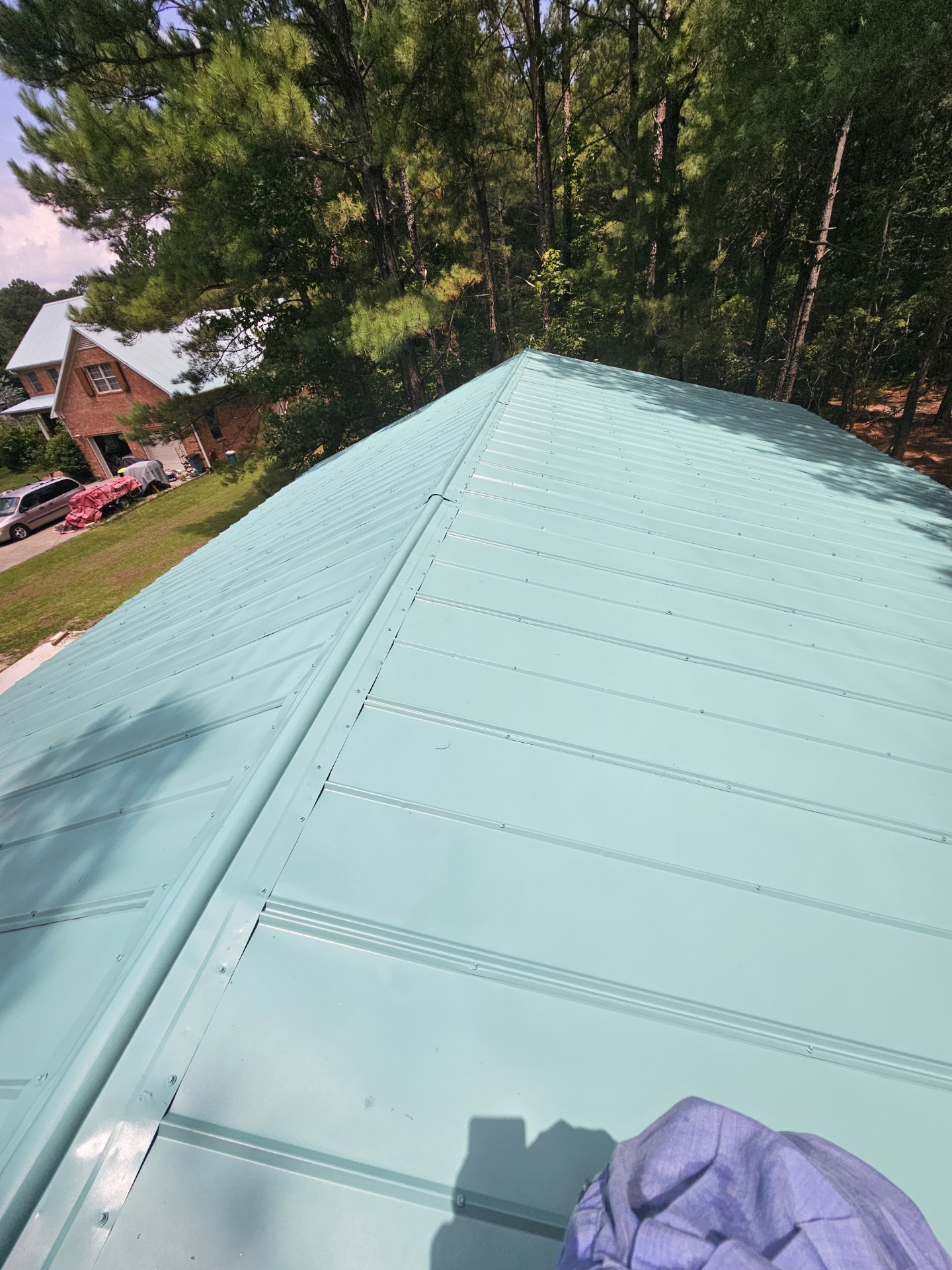
Metal roofing
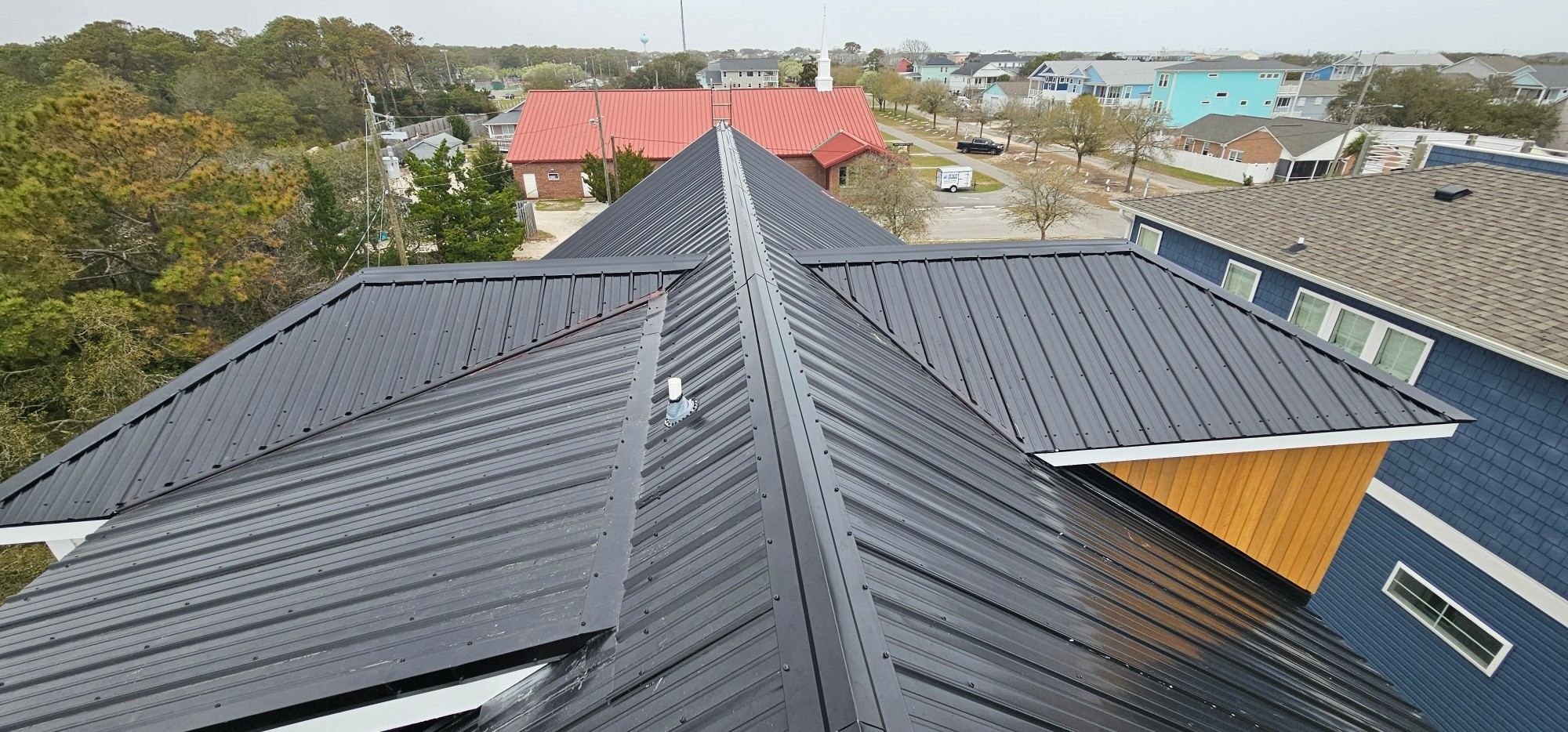
Metal rooflines planned for clean coastal detailing.
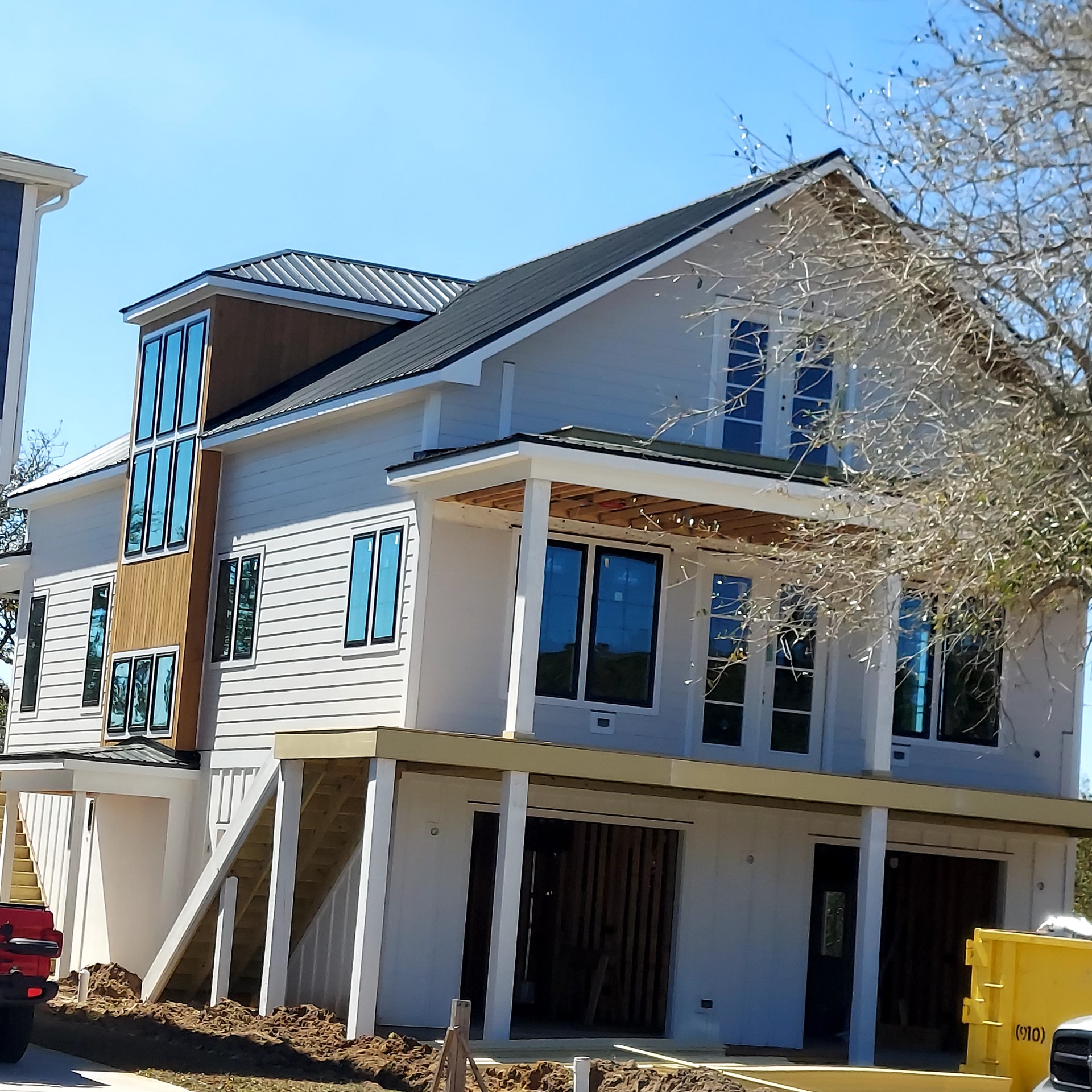
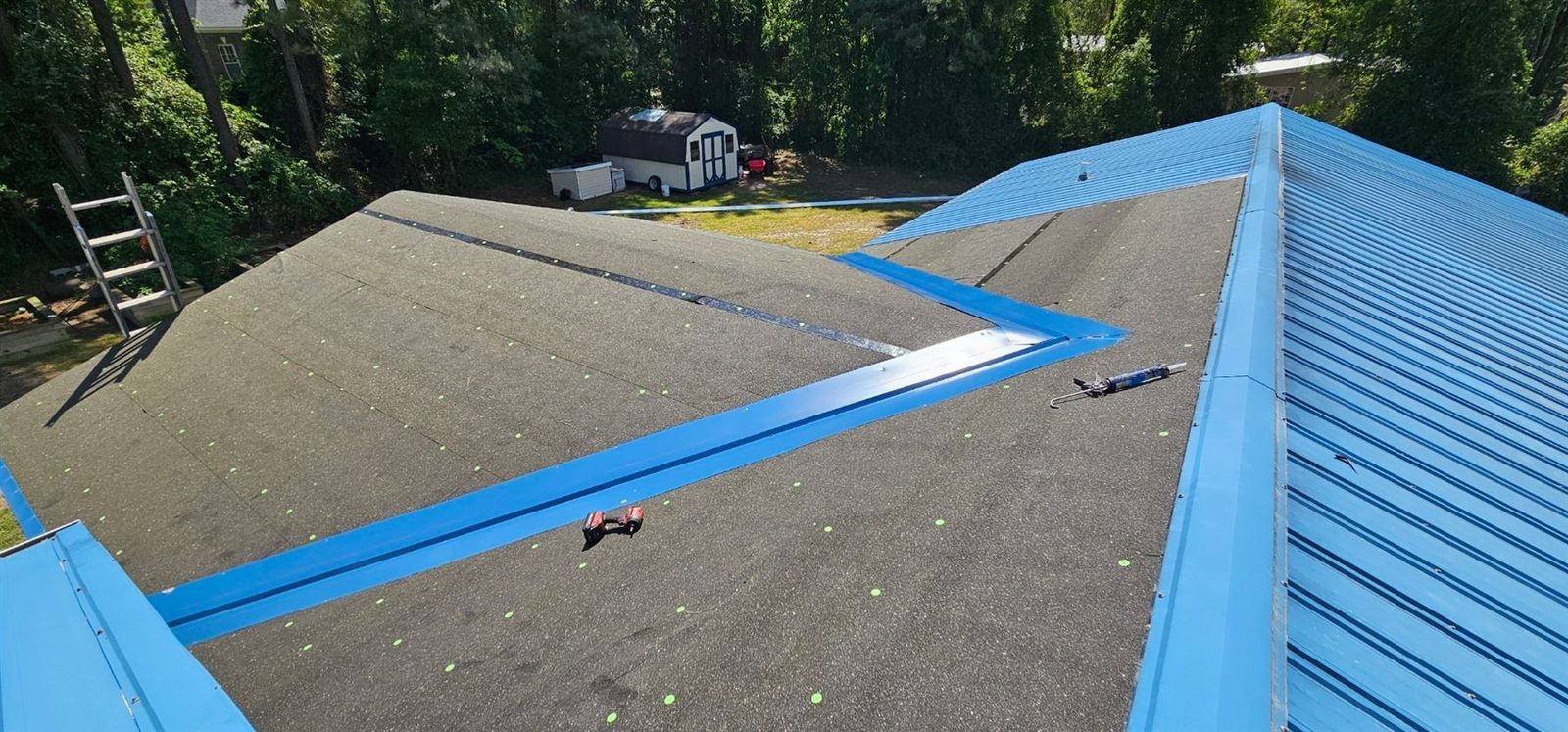
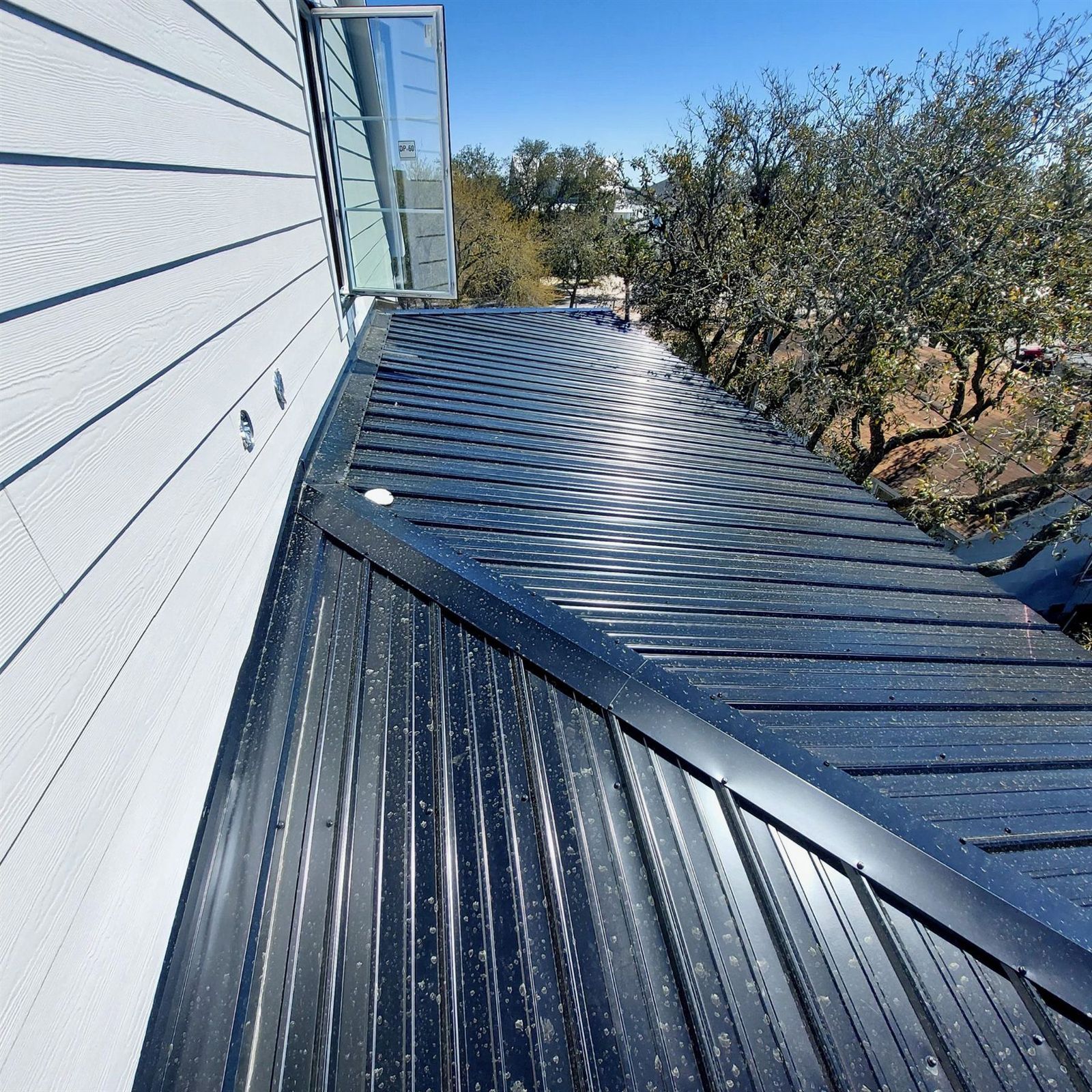
Metal panels, ridges, transitions, eaves, and roof slopes need alignment, water control, and clean detailing because coastal exposure is hard on roof edges.
Good fit for: Coastal homes, porches, additions, rentals, business properties, and owners who want a crisp finished look with strong attention to exposed roof edges and transitions.
Why it matters: Metal roofing can give a home a sharper coastal look while putting extra attention on exposed edges, transitions, and areas that take wind and salt-air wear.
What this solves: Homeowners comparing metal roof options, repairing metal details, or planning a roof surface that needs a sharper, durable finished look.
Copper flashing
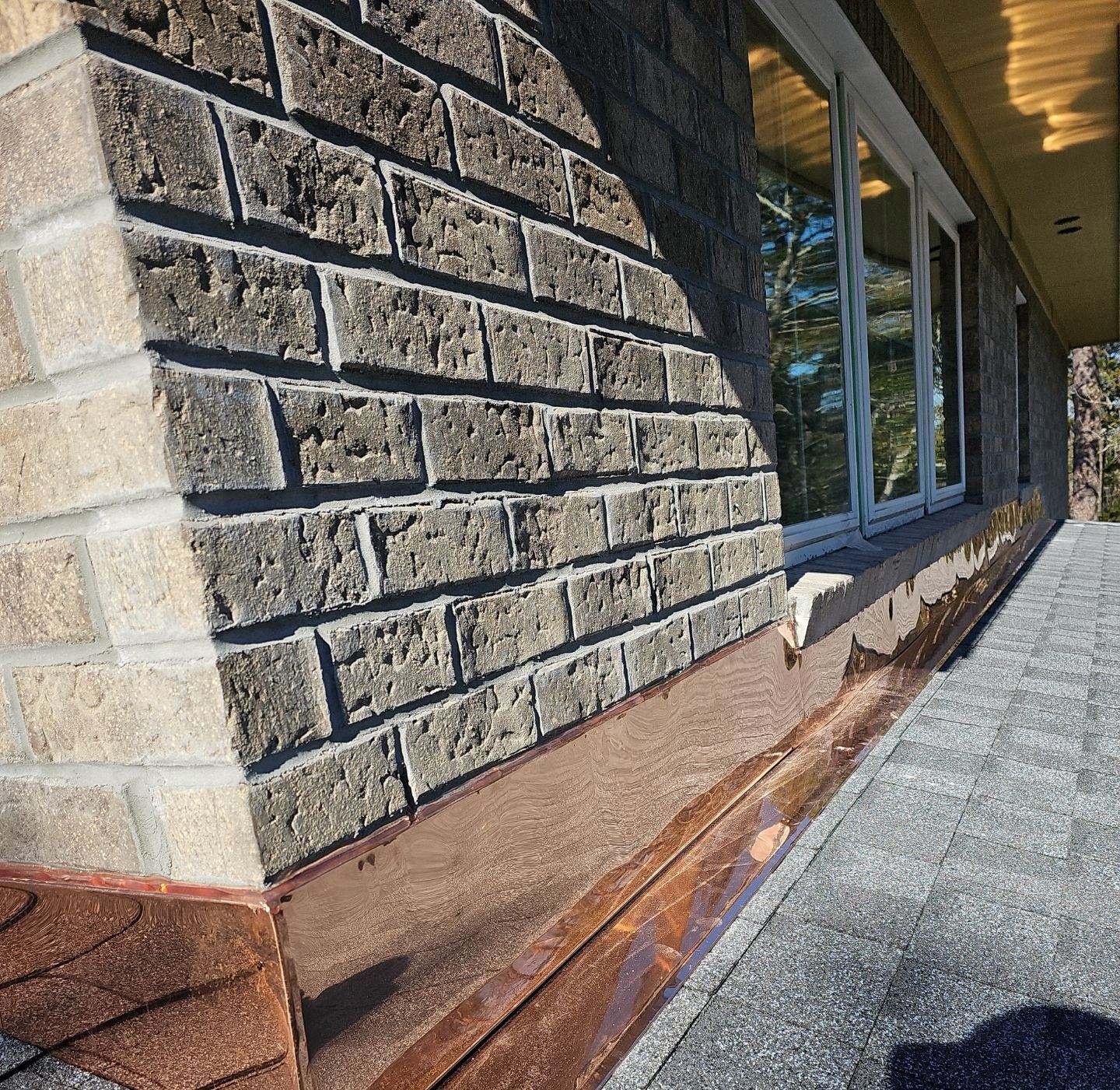
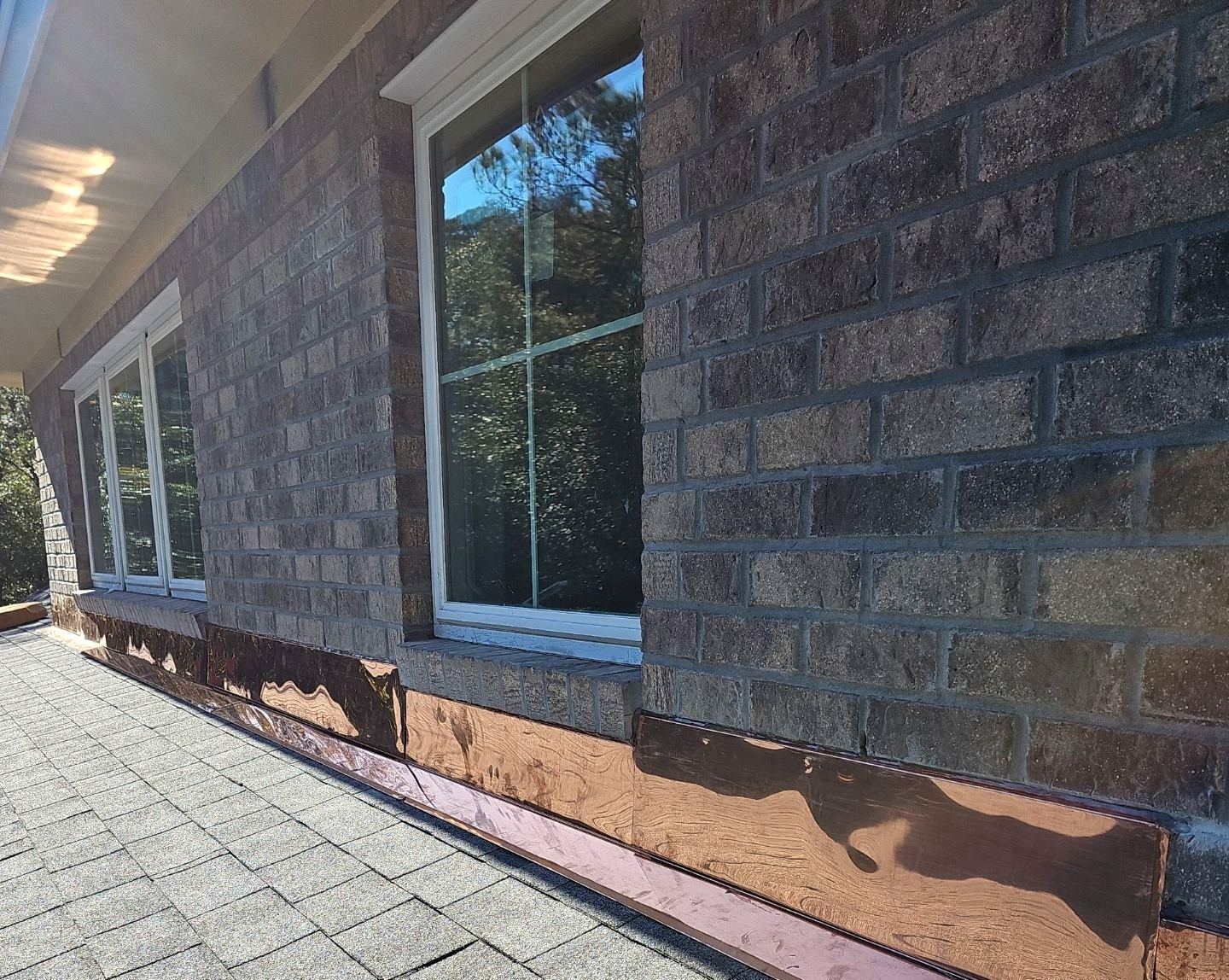
Clean copper details where walls and rooflines meet.
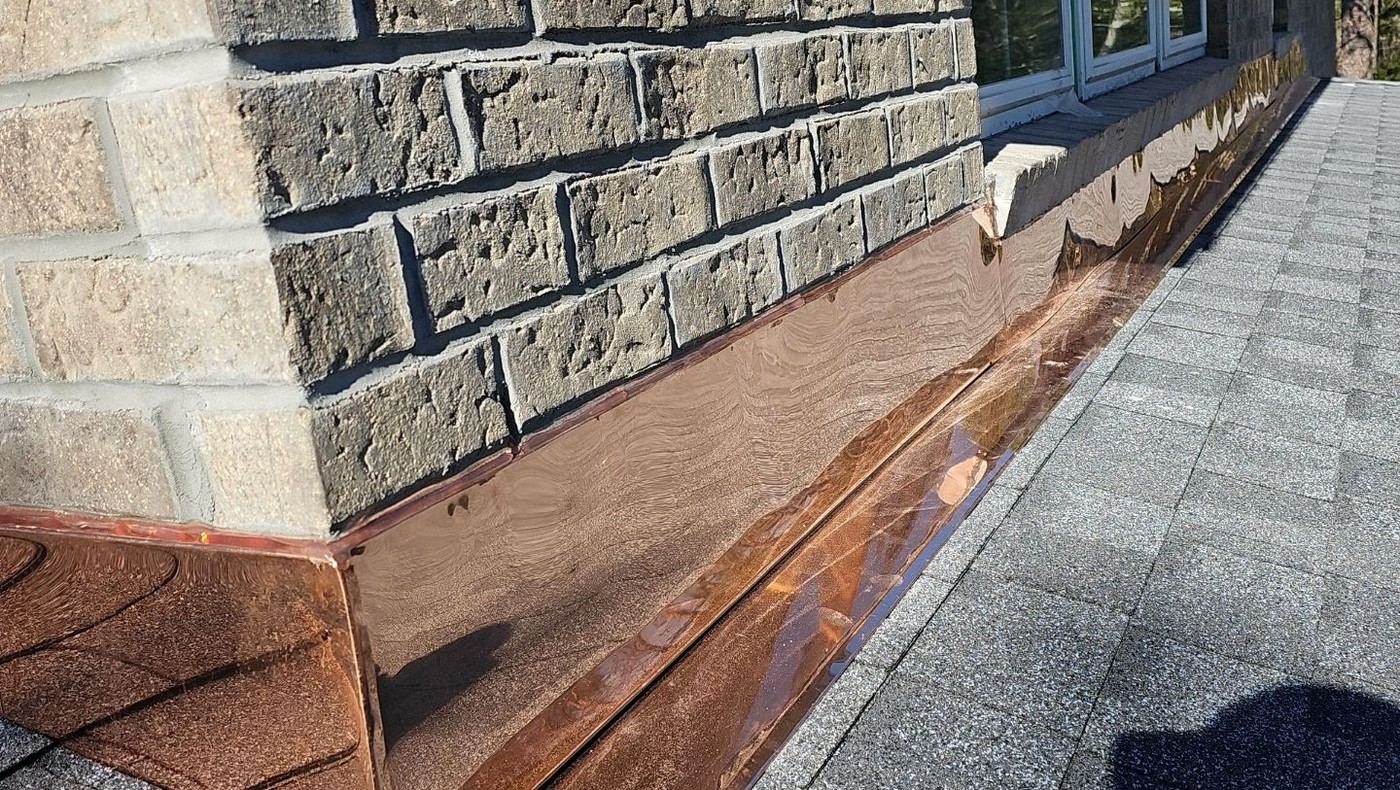
Copper flashing, wall transitions, and roof edge details protect vulnerable areas while giving the roof a cleaner final look.
Good fit for: Brick homes, visible exterior details, metal-to-shingle transitions, chimneys, roof-wall connections, and visible areas where finish quality matters.
Why it matters: Better flashing protects high-risk joints and adds a clean finished detail where the roof meets brick, walls, metal, or other finished surfaces.
When to call: Brick-wall transitions, metal-to-shingle edges, roofline details, flashing concerns, or a detail that needs to look as good as it performs.
Flat-roof waterproofing
EPDM rubber membrane for flat and low-slope roof areas.
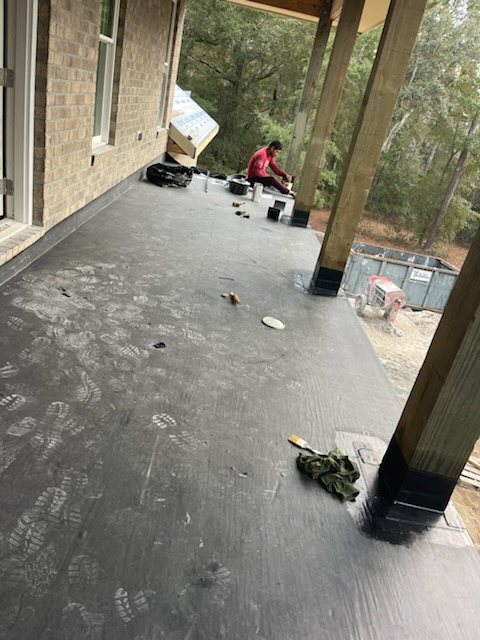
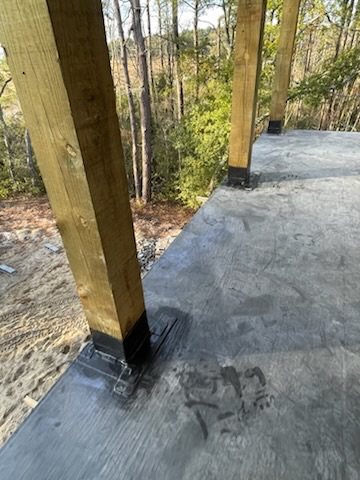
EPDM stands for ethylene propylene diene monomer. In plain English, it is a rubber roofing membrane used where shingles are not the right fit, like flat roofs, low-slope sections, and waterproof deck areas.
Good fit for: Flat or low-slope roof sections, covered decks, porch roofs, and small business roof areas where water needs membrane-style waterproofing instead of normal shingles.
Why it matters: The right membrane detail helps protect rooms, decks, and covered areas below from water intrusion in places where normal roof shingles would not shed water correctly.
When to call: Flat roof leaks, low-slope deck areas, membrane concerns, wall-edge transitions, or waterproofing details where ponding water or slow drainage may be part of the concern.
Preparation and transitions
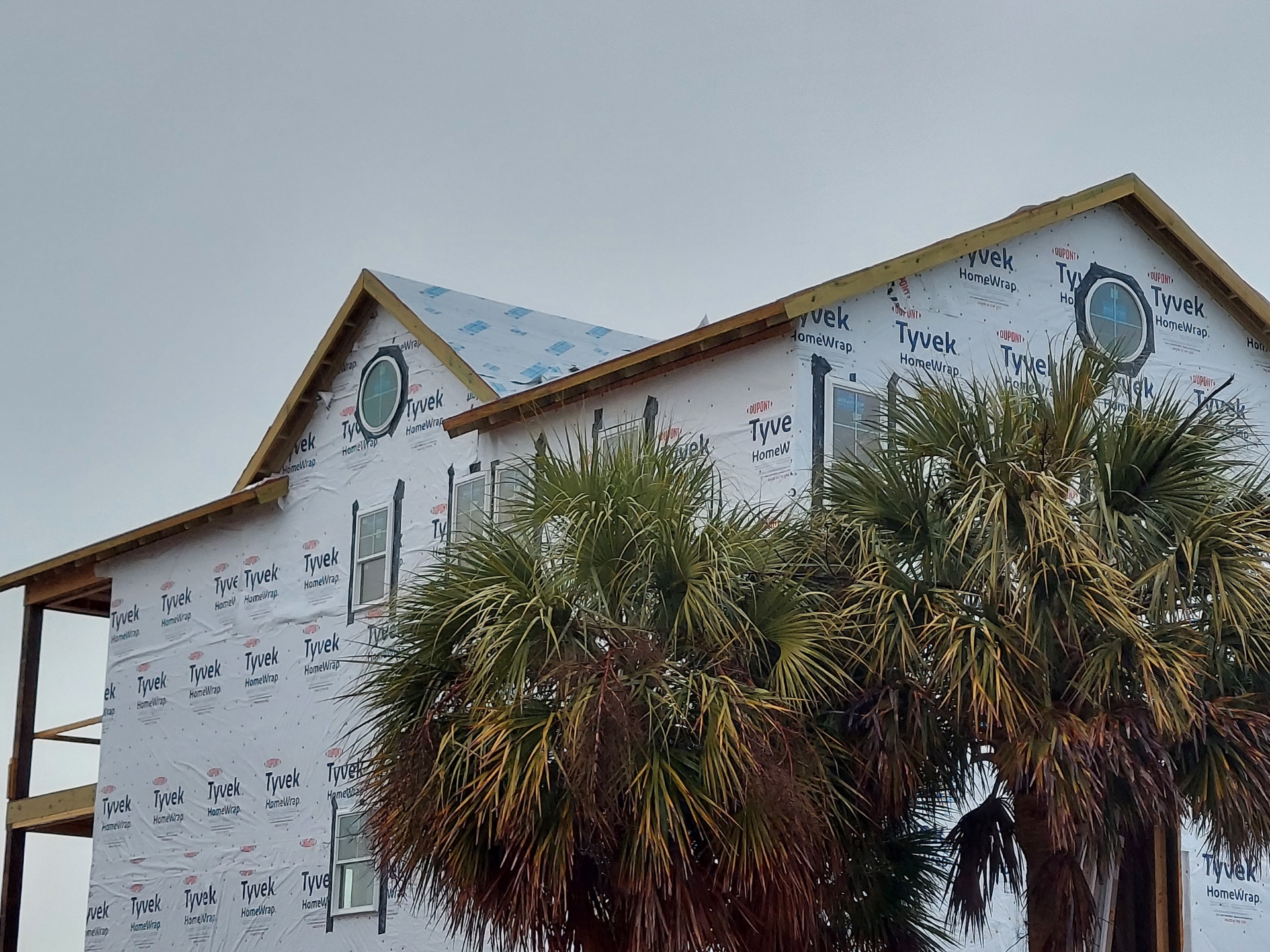
Underlayment, framing, valleys, ventilation, and roof transitions.
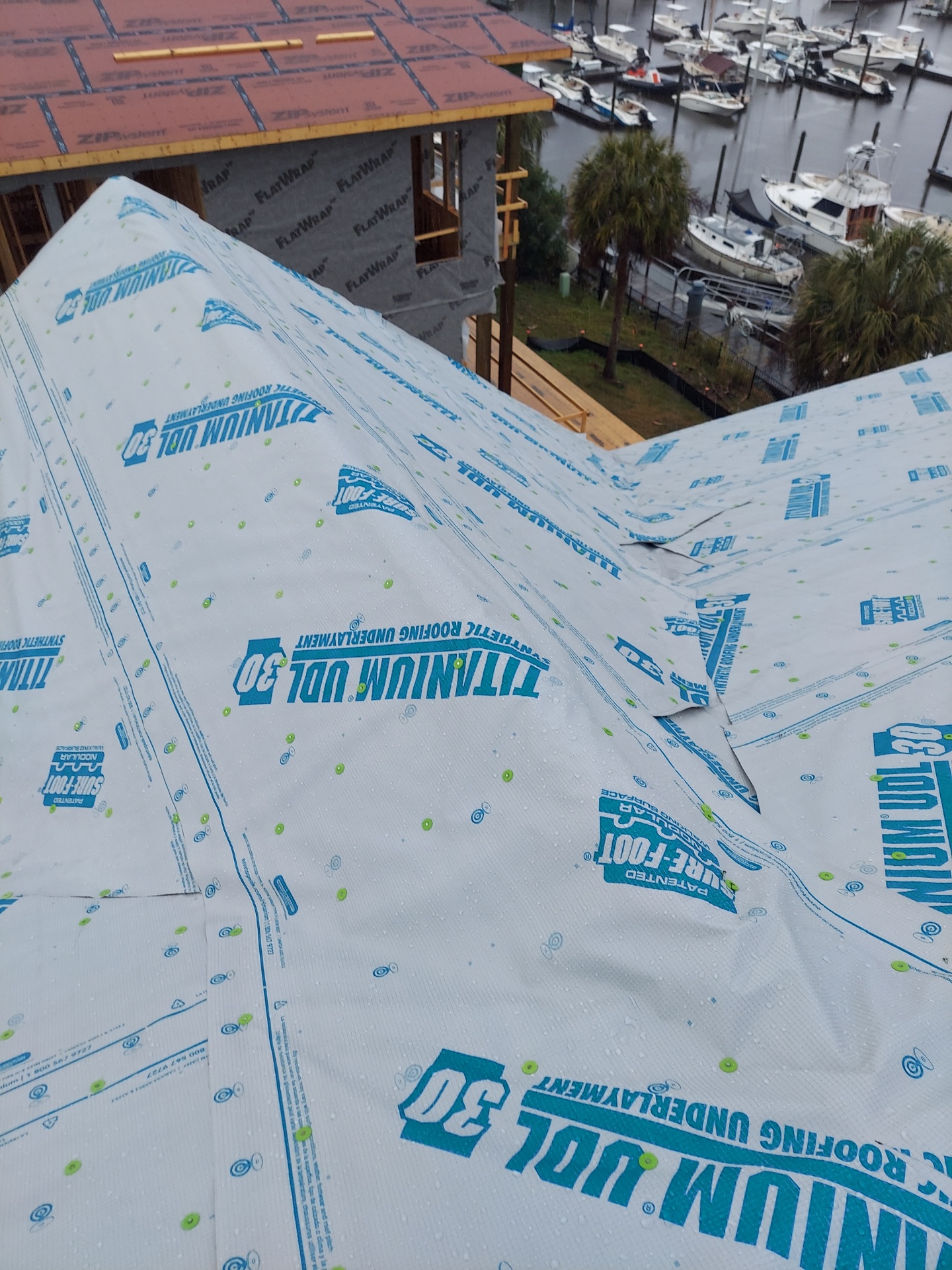
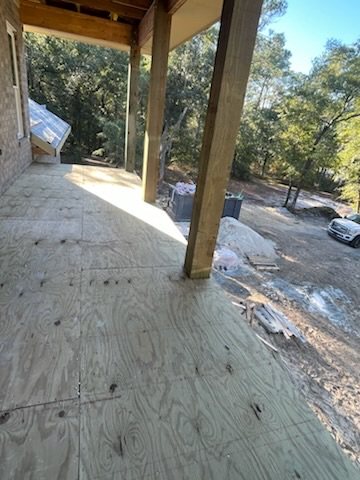
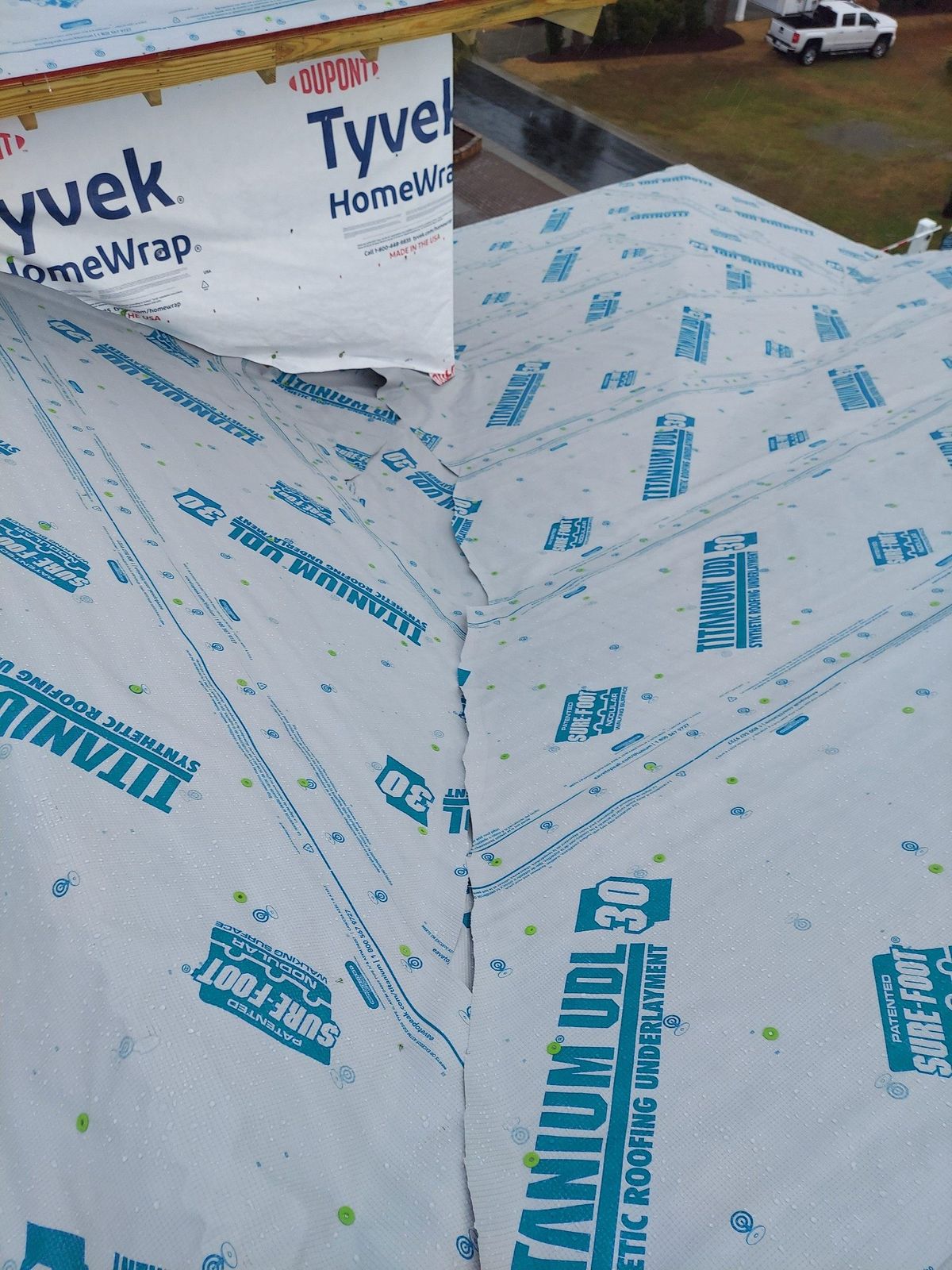
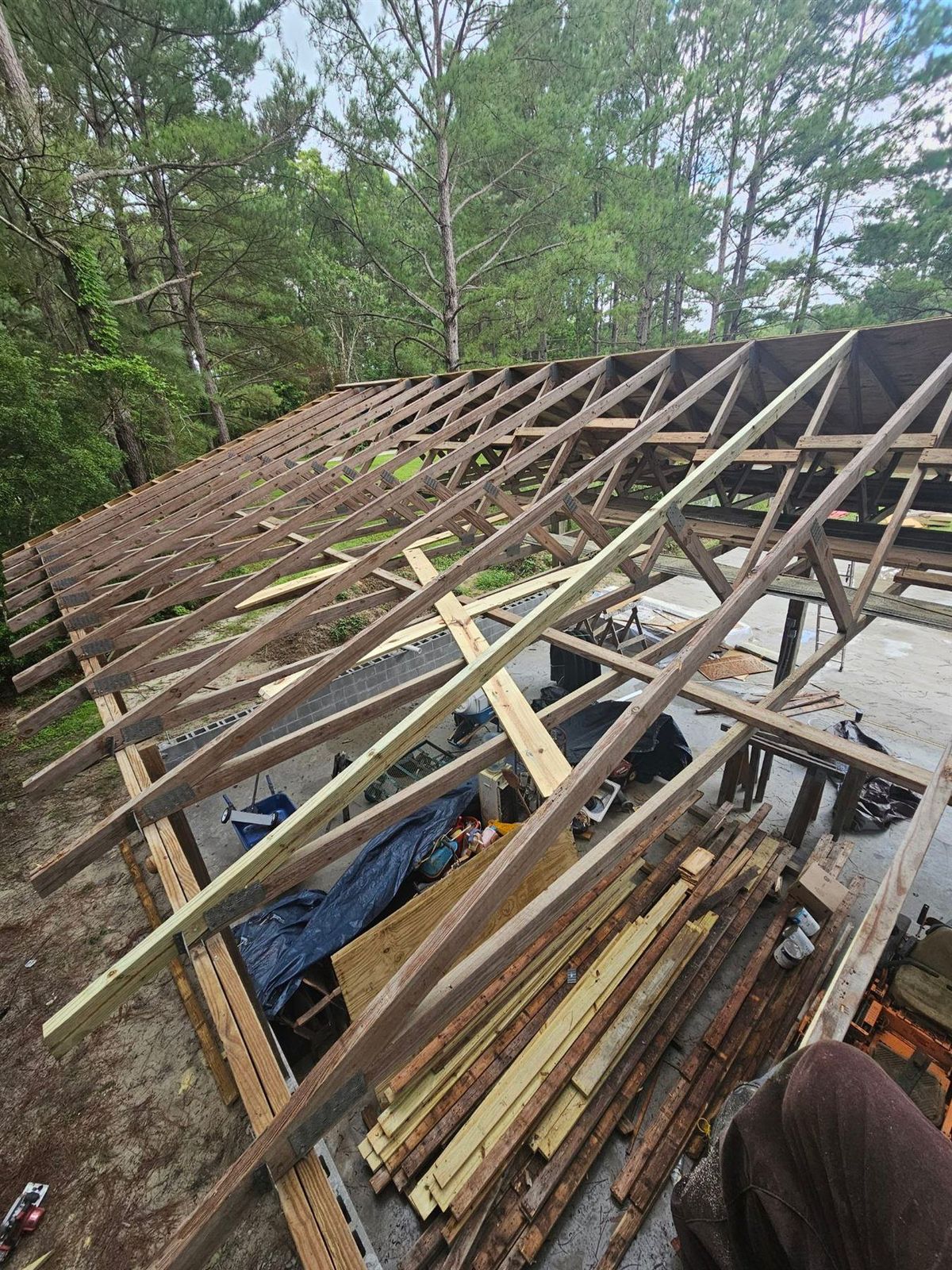
The parts under and around the finished roof matter: framing, decking, synthetic underlayment, ventilation, valleys, metal transitions, and roof-wall details.
Good fit for: New construction, roof additions, valleys, dormers, tie-ins, and owners who want the hidden parts of the roof handled carefully before the finish layer goes on.
Why it matters: Good prep supports the roof plan before the finished surface is visible, especially around valleys, transitions, and areas where water needs a clean path off the roof.
What this solves: Hidden water-control details, new-construction prep, tie-ins, valleys, and roof sections that need careful setup before the finished surface goes on.
Gutters
Gutter installation, cleaning, guards and repair.
When gutters are packed with leaves or water is overshooting the edge, roof-edge drainage can affect fascia, walls, landscaping, or foundation areas. Vera's Roofing offers gutter installation, cleaning, guards and repair throughout Brunswick and New Hanover counties.
Good fit for: Gutters clogged with leaves or debris, water overshooting roof edges, downspouts that need attention, and owners who want gutter guards installed during roof or property maintenance planning.
Why it matters: Gutters and downspouts help move roof water away from fascia, walls, landscaping, and foundations. When gutters are blocked or poorly protected, water can go where it does not belong.
When to call: You see overflowing gutters, heavy leaf buildup, staining near roof edges, water draining near the foundation, or you want to discuss gutter guards before the next storm season.
 Roof water needs a clear path
Gutter cleaning and guards are about controlling runoff after it leaves the roof edge. The goal is to keep water moving away from fascia, walls, landscaping, and foundations.
Cleaning Leaf buildup Guard planning DownspoutsSpecialty roof details
Non-standard roof areas handled with a practical plan.
Some roof questions do not fit into a simple repair box. Vera's Roofing can review unusual roof areas, material transitions, roof edges, code-related planning questions, and material choices that may apply.
Good fit for: Mixed-material roofs, unusual rooflines, coastal exterior upgrades, rental turnovers, business property maintenance planning, and owners comparing practical options before committing to a roof plan.
Why it matters: Specialty planning helps owners avoid mismatched materials, weak tie-ins, and confusing roof details that can hurt both performance and finished appearance.
When to call: You have a unique roof area, mixed materials, a roof-to-wall detail, or a planning question that needs a practical roofing option. Ask what code-related details and material choices may apply.
Roof options by property need
Choose the roof option that fits the building and the owner's goal.
The right answer depends on slope, age, drainage, exposure, budget, appearance, material choices that may apply, and how the property is used. This guide gives homeowners, rental owners, and business owners a plain-language starting point before they call.
Shingle Repair or Replacement
Metal Roofing
EPDM / Low-slope
Copper and Flashing
Storm Documentation
Gutter Cleaning and Guards
Hand-nailed Shingles
CertainTeed System Questions
Clean repair or replacement planning
Works well for: Residential homes, rental properties, business buildings, and older roofs that need a practical repair-or-replace decision.
Property benefit: Helps protect interiors, improve curb appeal, and reduce repeat leak calls when the existing roof is worn.
Durable coastal curb appeal
Works well for: Coastal homes, porches, additions, business storefronts, visible rooflines, and owners who want a sharper finished look.
Property benefit: Puts extra attention on roof edges, transitions, and exposed areas that deal with wind, rain, salt air, and sun.
Low-slope membrane work where shingles do not fit
Works well for: Flat roofs, low-slope sections, covered decks, porch roofs, and business roof areas.
Property benefit: Helps protect the space below when water drains more slowly and membrane-style waterproofing is the better fit.
Water-control details at vulnerable joints
Works well for: Brick-wall transitions, chimneys, roof-to-wall connections, metal-to-shingle transitions, and visible exterior details.
Property benefit: Improves water control where roof planes meet finished exterior surfaces and gives the roof a more refined look.
Documented records after wind or rain
Good fit for: Property owners who need documented photos and notes showing visible roof condition after wind, hail, falling limbs, or water entry.
Property benefit: Gives owners a clearer record for repair planning, maintenance files, and future roof decisions.
Roof edge water control support
Good fit for: Clogged gutters, leaf buildup, overflowing roof edges, downspout concerns, and owners considering gutter guard installation.
Property benefit: Helps move roof water away from vulnerable edges, walls, landscaping, and foundations when the gutter system is clean and flowing.
Fastening quality for coastal wind exposure
Good fit for: Shingle replacement planning where nail placement, nail depth, and coastal wind exposure matter.
Property benefit: When hand-nailing is included in the agreed scope, each fastener can be placed deliberately and checked for placement and depth.
Ask what may apply
Good fit for: Replacement planning, code-related questions, and owners comparing long-term material choices.
Property benefit: Product, system, and code-related questions vary by material, manufacturer, and project requirements. Vera's Roofing can explain what questions to ask before you choose a roof plan.
Common roofing questions
Clear answers before you call.
These answers help homeowners, rental owners, and business property owners know what to send and what to expect before the first roofing conversation.
What should I include when I request an inspection?
Send the town, property type, and roof or gutter concern. Photos are optional but helpful when they show the issue.
Can photos help decide between repair and replacement?
Photos can help Vera's Roofing understand what to discuss first, but the right repair-or-replace decision depends on roof age, roof condition, slope, access, and inspection details.
Does every Vera's Roofing job include hand-nailing?
No. Hand-nailing is only part of the work when it is included in the agreed scope. When hand-nailing is part of the scope, each fastener can be placed deliberately and checked for placement and depth.
Can every roof receive CertainTeed manufacturer warranty coverage?
No. CertainTeed warranty availability depends on the selected materials, full roof system, installation requirements, registration, property type, transfer rules, and CertainTeed's written terms. Vera's Roofing can talk through current manufacturer warranty options before materials are ordered.
Do you work on rental and business properties?
Yes. Vera's Roofing works with homeowners, rental property owners, and business property owners across Brunswick County, Wilmington, New Hanover County, and nearby coastal North Carolina.
Do you handle metal, copper, and EPDM roof details?
Vera's Roofing can talk through metal rooflines, copper flashing, roof-wall transitions, EPDM rubber membrane, flat-roof areas, low-slope sections, and other specialty roof details.
Do you offer gutter installation, cleaning, guards and repair?
Yes. Vera's Roofing offers gutter installation, cleaning, guards and repair for homes, rentals and business properties throughout Brunswick and New Hanover counties.
Where we work
Roofing and gutter services throughout Brunswick and New Hanover counties.
Roof repair, replacement, inspections and metal roofing, plus gutter installation, cleaning, guards and repair, are available in every city and town across both counties, including properties outside town limits.
Check your town and nearby communities in our Brunswick County Service-area List or New Hanover County Service-area List. Then share the property location, the work you need and any access details so we can plan the next step.
Explore Gutter Installation, Cleaning, Guards and RepairNot sure what service you need?
Request an inspection and describe what you are seeing.
Send the town, property type, and roof or gutter concern. Photos are optional but helpful when they show the issue.