 Vera’s Roofing
Quick answer
Document first, protect the house, then report the claim promptly.
After a storm damages your roof, take photos before anything is moved or covered, take reasonable steps to prevent more damage, read your policy's deductible and roof terms, and notify your insurer promptly. Keep every receipt and write down dates.
This guide is general information, not legal or insurance advice. Your policy wording controls, and your agent, insurer, or a licensed professional can answer questions about your specific coverage.
Step by step
A practical order of operations after roof storm damage.
- Make it safe. Stay off the roof, keep clear of downed lines, and move people and belongings away from wet ceilings.
- Document before you clean up. Photograph the roof from the ground, debris in the yard, interior stains, and damaged gutters. Short videos help. Note the date and time of the storm.
- Prevent more damage. Cover openings when it is safe to do so, catch water inside, and keep receipts. See the emergency roof tarp guide.
- Read your declarations page. Find your deductibles, especially any separate hurricane, named-storm, or wind and hail deductible.
- Notify your insurer promptly. Policies usually require prompt notice. Write down your claim number and every conversation.
- Get the roof condition documented. A roof inspection can record visible damage with photos and notes once the roof is safe to examine.
- Meet the adjuster if you can. Share your photos, dates, receipts, and inspection notes, and ask what the adjuster saw.
- Review the estimate line by line. Compare the roof areas, materials, and repairs listed with what you and your roofer observed.
- Keep a claim file. Store photos, receipts, letters, estimates, and notes in one place until the claim is closed.
Deductibles in coastal NC
Your storm deductible may be a percentage, not a flat amount.
Many coastal North Carolina homeowners policies carry a separate hurricane or named-storm deductible, and some have a wind and hail deductible. These are often a percentage of the dwelling coverage amount rather than a fixed dollar figure, so the out-of-pocket amount can be much larger than the deductible for other claims.
Check which deductible applies to which kind of storm. The trigger for a hurricane or named-storm deductible is defined in the policy.
Terms worth knowing
Four policy details that change roof claims.
Replacement cost vs. actual cash value
Replacement cost pays to replace damaged roofing with similar new materials, subject to policy terms. Actual cash value subtracts depreciation, so an older roof may be paid at a lower amount. Some policies treat roofs differently from the rest of the house.
Wind vs. flood
Standard homeowners policies generally exclude flood. Flood coverage comes from a separate policy, such as through the National Flood Insurance Program or a private flood insurer.
The Beach Plan
In North Carolina’s coastal areas, including Brunswick and New Hanover counties, some homeowners get wind and hail coverage through the North Carolina Insurance Underwriting Association, often called the Beach Plan, alongside a separate policy for other perils.
Wear vs. sudden damage
Policies are generally written for sudden damage such as wind or a fallen limb, not gradual wear. Clear photos and dates help show what changed after the storm.
Who does what
Know the role of each person involved.
The insurance company’s adjuster evaluates the claim for the insurer. In North Carolina, a public adjuster you hire to represent you on a claim must be licensed by the Department of Insurance. A roofer’s role is to inspect, document roof condition, and scope and perform the work. A roofer is not your adjuster and should not negotiate your claim for you.
Be cautious with anyone who offers to waive or absorb your deductible, asks you to sign over claim rights on the spot, or arrives door to door right after a storm with pressure to commit immediately. Questions about an insurer or a claim can go to the North Carolina Department of Insurance.
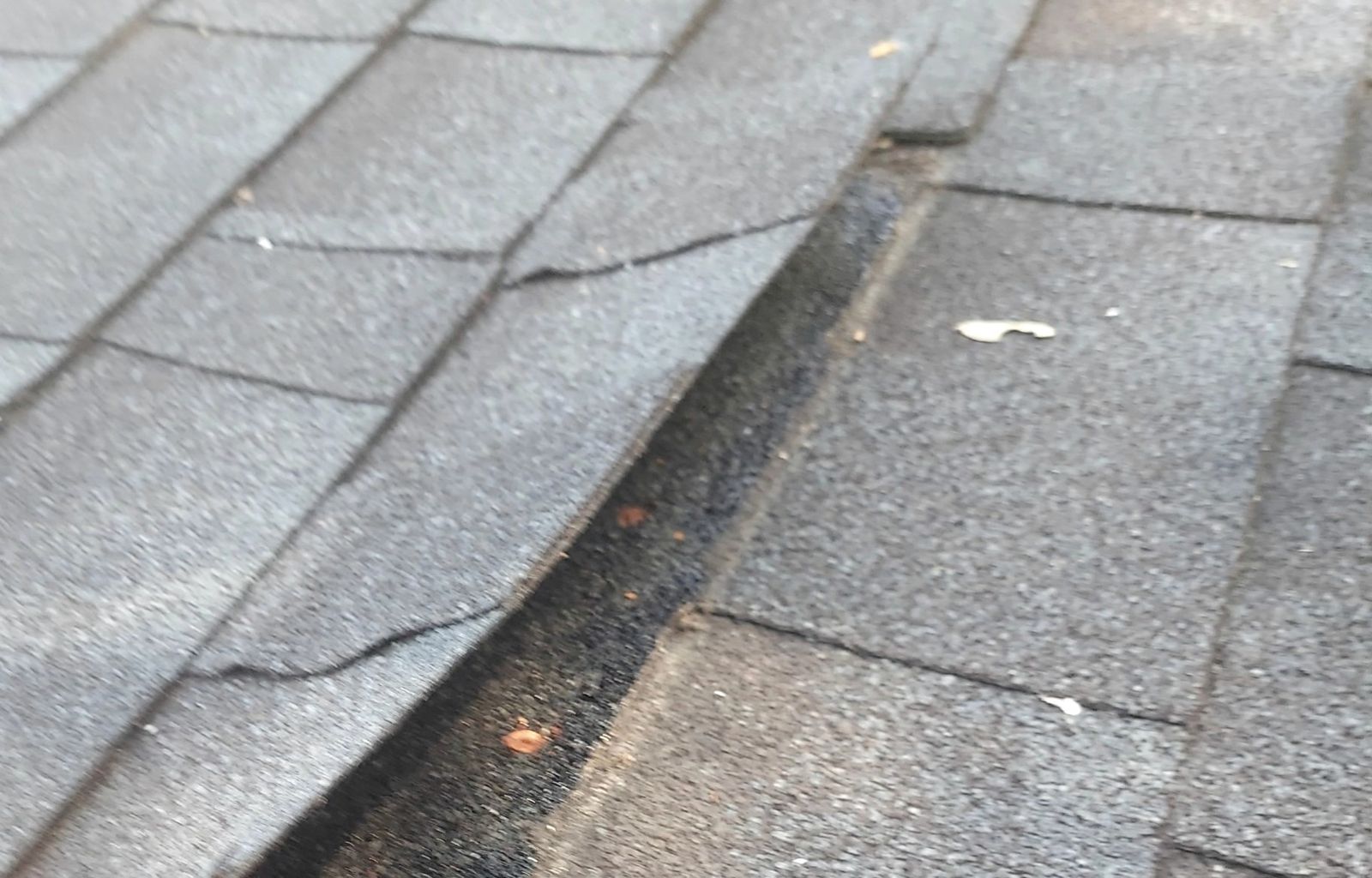
Photo checklist
What to photograph for a roof claim.
- Each side of the roof from the ground, wide and zoomed.
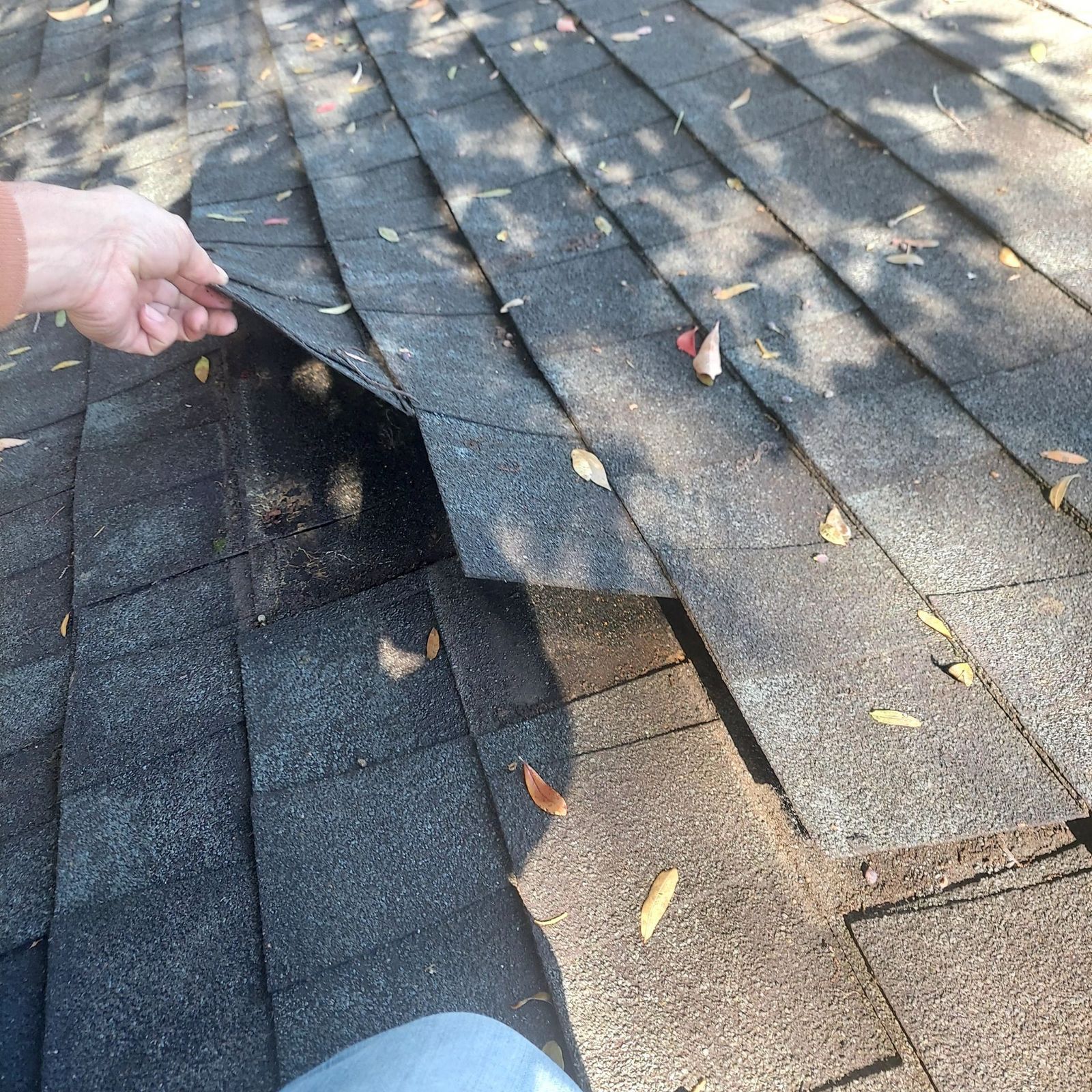
- Missing, creased, or lifted shingles and any exposed underlayment.
- Damaged flashing, vents, ridge caps, and metal edges you can see safely.
- Fallen limbs and debris on the roof or in the yard, before removal.
- Gutters and downspouts that are dented, loose, or torn away.
- Interior ceiling and wall stains, plus a wide shot of each affected room.
- Temporary covers after they are installed, and the receipts for them.
The storm inspection checklist walks through what to look for from the ground in more detail.
Local roof documentation
Storm roof inspections in Brunswick and New Hanover counties.
Vera's Roofing inspects storm-damaged roofs across Brunswick County, Wilmington, New Hanover County, and nearby coastal communities, and records visible roof condition with photos and notes. An inspection describes roof condition; it does not confirm insurance coverage or a claim result. Start with a roof inspection, or roof repair if water is getting in now. Homes from Bald Head Island and Southport to Calabash, Myrtle Grove, and Castle Hayne are within the service area.
FAQs
Common questions about roof insurance claims in North Carolina.
Should I call my insurer or a roofer first after storm damage?
Make the house safe and document the damage first. Notify your insurer promptly as your policy requires, and have the roof inspected once it is safe so the condition is recorded. The order can overlap; neither should wait long.
What is a hurricane deductible in North Carolina?
Many coastal policies use a separate deductible for hurricanes or named storms, often set as a percentage of dwelling coverage. Your declarations page shows the amount and the policy defines when it applies.
Does homeowners insurance cover an old roof?
It depends on the policy. Some policies pay actual cash value for older roofs, which subtracts depreciation, and coverage is generally for sudden damage rather than wear. Read your roof terms or ask your agent.
Can a roofer handle my insurance claim for me?
A roofer can document roof condition and provide a repair scope, but a roofer is not your adjuster. In North Carolina, someone you hire to represent you on a claim must be a licensed public adjuster, or you can work with an attorney.
Is flood damage to my roof or ceiling covered?
Standard homeowners policies generally exclude flood. Wind-driven rain entering through storm damage is treated differently from rising water. Flood coverage comes from a separate flood policy.