Quick answer
After a storm, check safely from the ground before you climb or guess.
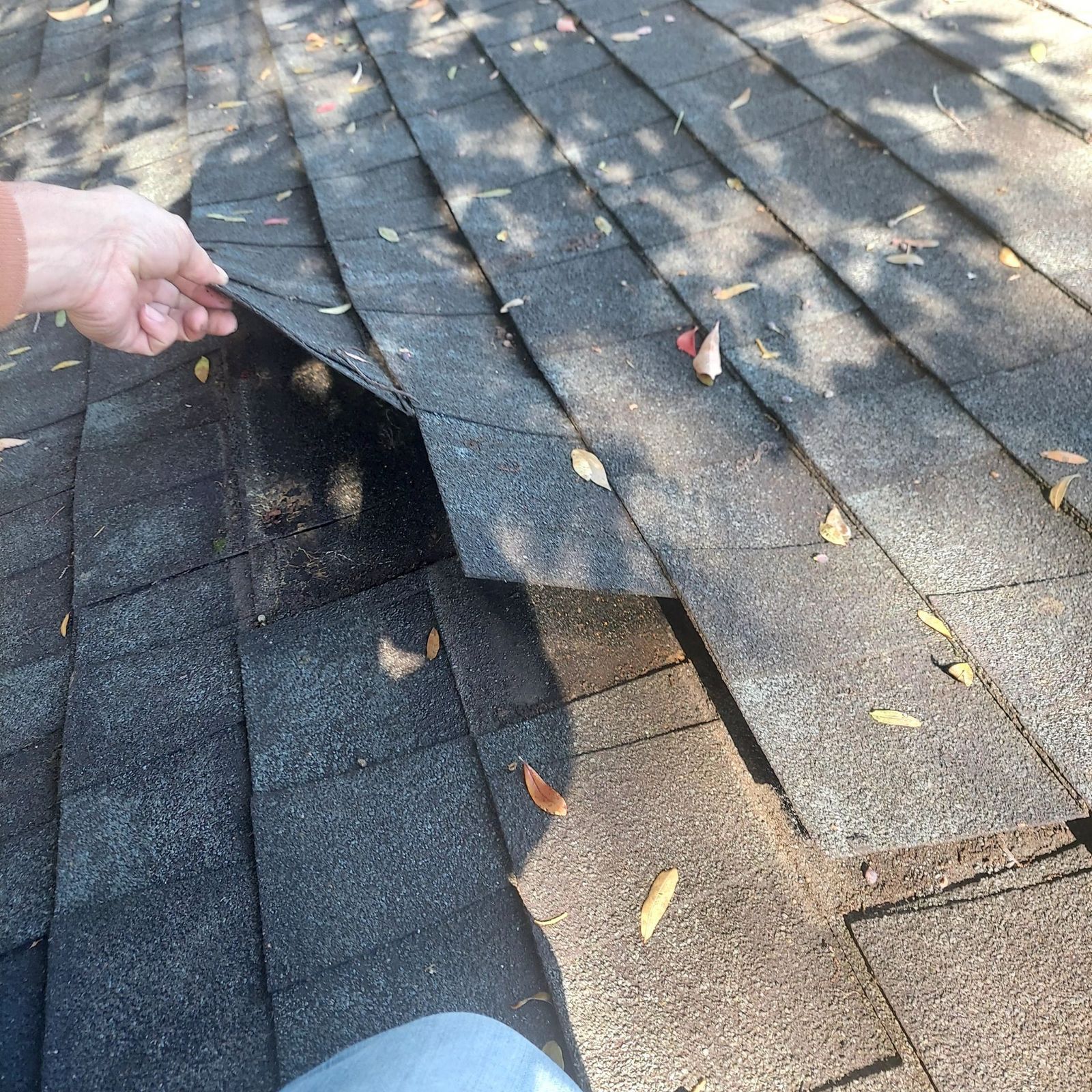
Walk the property only when conditions are safe. Look for missing or lifted shingles, loose flashing, roof-edge changes, debris impact, gutter overflow, ceiling stains, and new leaks. You do not need to get on the roof to notice the signs that matter.
If anything looks different after wind or heavy rain, start with a Roof Inspection. A limited issue may lead to a Roof Repair; widespread wear, repeated leaks, or older shingles may point to Replacement Planning.
Post-storm checklist
What coastal NC homeowners should check after a storm.
| What you notice | Why it matters | Recommended action |
|---|---|---|
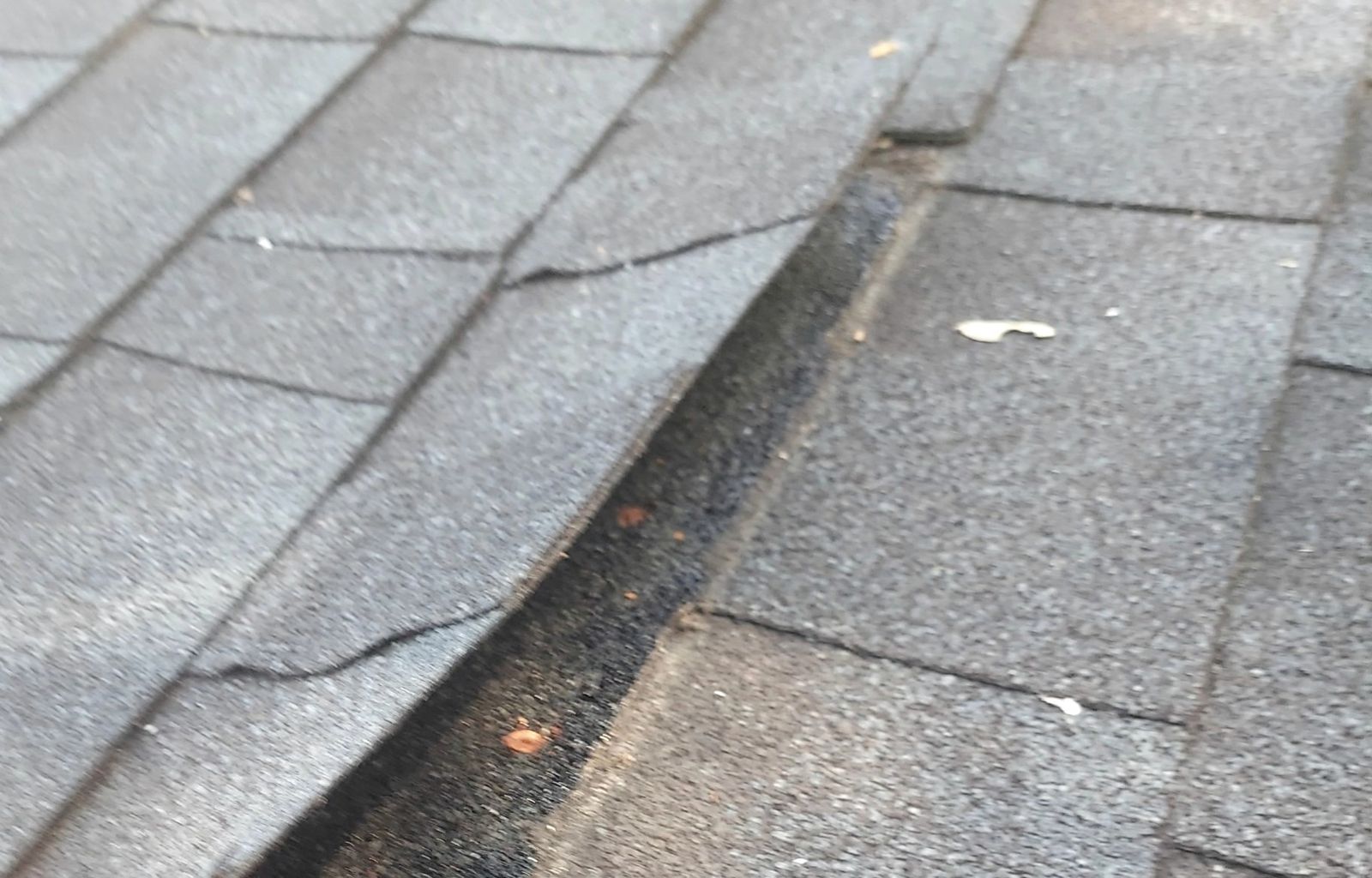
| Missing, lifted, curled, or loose shingles | Wind can open a water path even when the roof looked fine before | Ask About Roof Repair |
| New ceiling stain, damp wall, or dripping water | The leak source may be uphill, around flashing, or near a roof transition | Request an Inspection |
| Branches, loose metal, or debris on the roof | Impact can damage shingles, vents, flashing, gutters, or roof edges | Document Visible Condition |
| Gutters overflowing, pulling away, or dumping water near the home | Storm debris can block water and make a gutter problem look like a roof leak | Review Gutter Cleaning and Guards |
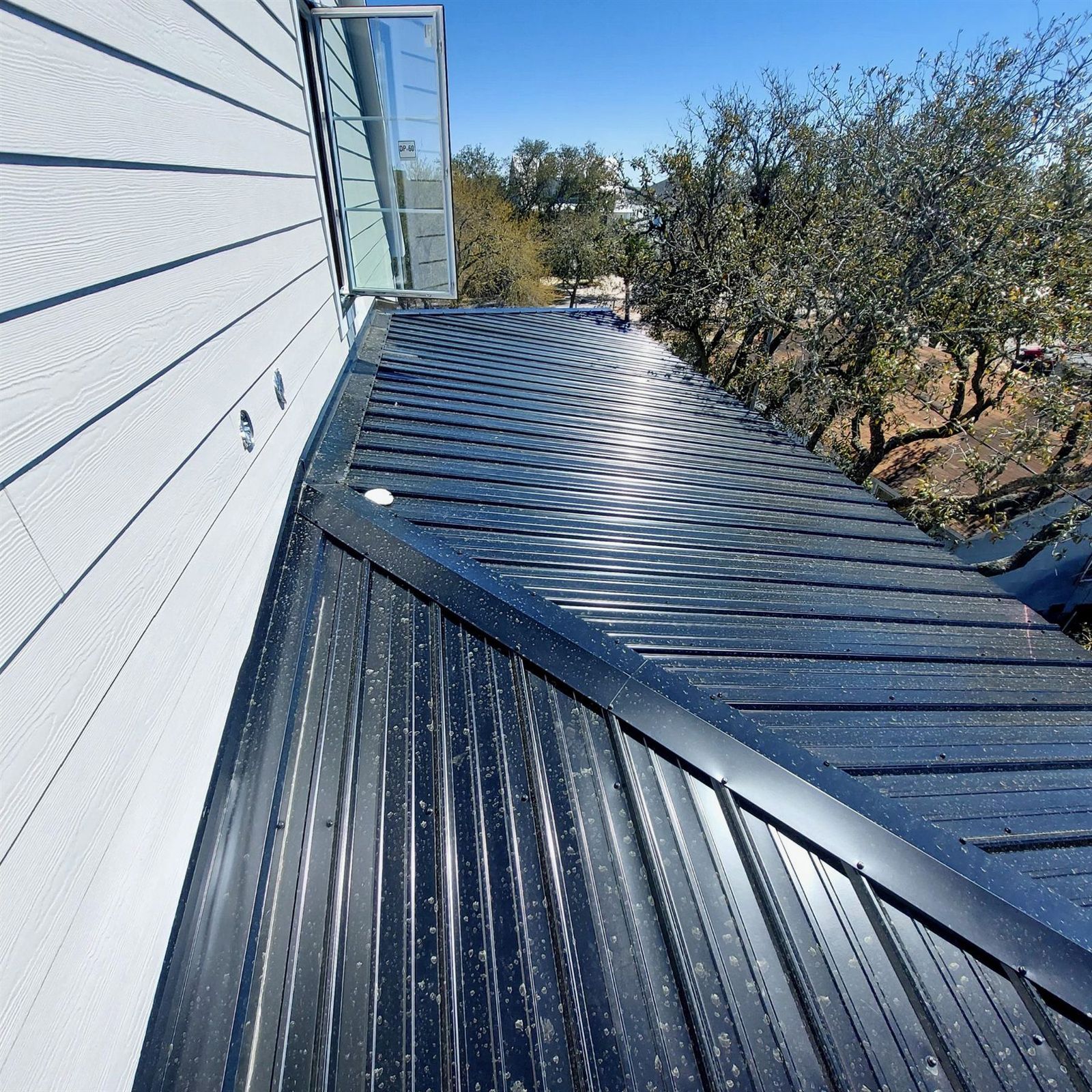
| Loose flashing, open seams, or stains around walls and chimneys | Wind-driven rain often finds weak details before the flat roof surface fails | Ask for a Condition Check |
| Repeated storm leaks or many aging shingles | The roof may need more than a small repair | Compare Repair Vs. Replacement |
Safety first
Do not climb on the roof after a storm.
Wet shingles, hidden soft spots, loose branches, and wind-shifted material can make a roof dangerous even if it looks normal from the driveway. Use your phone camera from the ground. If you can safely check an upstairs window or attic access, do that instead of using a ladder.
If you see downed power lines, major structural movement, a sagging ceiling, standing water near electrical fixtures, or a tree resting on the home, stay away from the area and contact the appropriate emergency, utility, or tree-removal help first. Roof inspection comes after the property is safe to approach.
A useful post-storm check does not need to be risky. Ground photos, interior stain photos, and notes about when the storm passed are enough to start the conversation.
Outside roof check
Start with the roofline, shingles, flashing, and debris.
Stand back far enough to see the roof as a whole. Look for areas that no longer match the rest of the roof. Storm damage is not always dramatic. Sometimes it is one lifted edge, one missing tab, or a small piece of flashing that moved during wind-driven rain.
- Missing, lifted, creased, or loose shingles.
- New debris, branches, or impact marks on the roof.
- Loose metal around roof edges, valleys, vents, walls, or chimneys.
- Shingles or roofing pieces in the yard, driveway, or gutter line.
- Water stains on siding, fascia, soffits, porch ceilings, or trim.
Inside the home
Check ceilings, walls, closets, attic areas, and odor changes.
Storm leaks do not always appear directly under the damaged spot. Water can travel along rafters, decking, insulation, drywall, or trim before it shows up indoors. That is why interior photos are helpful even when the outside roof problem is not obvious.
Ceilings and walls
Look for new brown rings, bubbling paint, damp drywall, or water marks near corners and light fixtures.
Attic or crawl access
If it is safely accessible, look for damp decking, wet insulation, daylight at roof penetrations, or fresh staining.
Closets and hidden corners
Small leaks can show up behind stored items, around chimney chases, near vents, or along exterior walls.
Mark the date you first noticed the stain or leak. If it changes after the next rain, take another photo from the same angle.
Gutters and roof edges
Heavy rain can expose gutter problems, not just roof problems.
After a storm, check whether water moved cleanly off the roof. Pine needles, leaves, shingle grit, small branches, and windblown debris can clog gutters or downspouts. When water backs up at the roof edge, it can create stains and moisture concerns that feel like a roof leak.
- Overflow from the same gutter section every heavy rain.
- Water dumping behind the gutter or near fascia boards.
- Downspouts that discharge too close to the home.
- Gutters pulling away, sagging, or holding debris.
- Water pooling near porches, landscaping, crawl spaces, or foundations.
See Gutter Cleaning, Guards, and Roof-edge Runoff Details. If clogs keep returning, read When Gutter Guards Are Worth Discussing.
When to request an inspection
Call when something changed, even if the roof is not actively leaking.
The best time to ask about a roof inspection is before a small opening becomes a bigger water problem. If the storm changed the roof surface, moved metal, caused a new stain, or left debris in a hard-to-reach spot, it is reasonable to get it checked.
Request inspection soon
Visible shingle movement, loose flashing, new staining, debris impact, gutter overflow, or a leak that appeared during the storm.
Request a Roof InspectionAsk about repair
One limited area of missing shingles, a small leak path, loose material, or a detail that looks isolated.
Review Roof Repair DetailsDiscuss replacement planning
Repeated leaks, widespread shingle wear, older roof age, or storm issues that keep appearing in different areas.
Review Roof Replacement PlanningConfirm service-area fit
Vera's Roofing serves Brunswick County, Wilmington, New Hanover County, and nearby coastal NC communities.
View Roofing Service AreasBefore you call
What to photograph after a storm.
Photos are optional, but they make the first conversation clearer. Keep them simple and safe.
- The full roofline from the front, back, and sides when visible from the ground.
- Any missing, lifted, loose, or different-looking shingles.
- Branches, debris, or impact areas on the roof or near gutters.
- Ceiling stains, wall stains, damp trim, or dripping water indoors.
- Overflowing gutters, clogged downspouts, or water pooling near the home.
- The town, property type, date of the storm, and when you first noticed the issue.
Local roof help
Storm roof inspections for Brunswick County, Wilmington, and nearby coastal communities.
Coastal North Carolina storms bring wind, heavy rain, salt air, debris, humidity, and fast-changing water paths. Vera's Roofing helps homeowners, rental property owners, and business property owners talk through visible roof concerns, repair questions, inspection needs, roof replacement planning, and gutter issues after rough weather.
If you are not sure whether the problem is roof, flashing, gutter, or drainage related, start with what changed and where you saw it. If water is actively coming in, read What to Do During a Heavy-rain Roof Leak. Request an Inspection or Read What to Expect When You Contact Vera's Roofing.
FAQs
Common questions about roof inspection after a storm.
Should I climb on my roof after a storm?
No. Wet shingles, loose debris, and hidden soft spots can be dangerous. Check from the ground and take photos from safe areas instead.
What roof damage is easy to miss from the ground?
Lifted shingle edges, small flashing movement, debris impact, and water entry around transitions can be hard to see. That is why a professional inspection can help when something changed after wind or heavy rain.
Can a gutter problem look like a roof leak?
Yes. Clogged gutters, backed-up downspouts, and roof-edge overflow can send water into places it should not go, especially during heavy rain.
What if I only see a small ceiling stain?
Take a photo, note when it appeared, and watch whether it changes after the next rain. A small stain can still point to a roof, flashing, wall, or gutter issue that should be checked.
How fast should I request a roof inspection?
If you see an active leak, new staining, missing shingles, loose flashing, or debris impact, do not wait for repeated storms to test it. Ask for an inspection once the property is safe to approach.
What information helps Vera's Roofing start?
Share your town, property type, what changed, when the storm passed, where water appeared, and any safe photos of the roofline, shingles, gutters, or interior stains.