 Vera’s Roofing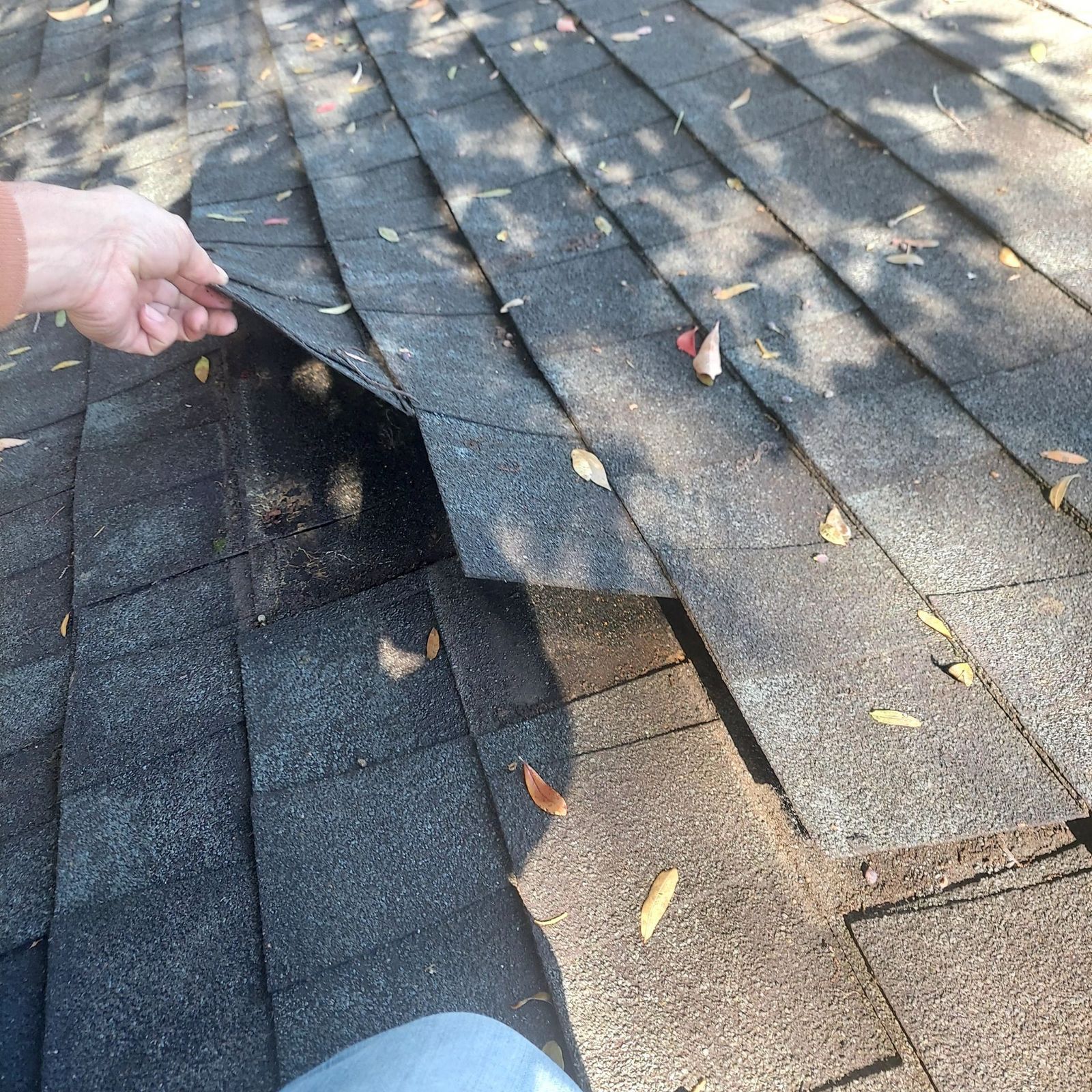
Quick answer
A tarp is a short-term cover, not a repair.
An emergency roof tarp keeps rain out of an opening until the roof can be repaired properly. It makes sense when storm damage has left a hole, missing shingles over a wide area, or a damaged section that is letting water in, and the permanent repair cannot happen right away.
Do not climb onto a wet, windy, or damaged roof to put one on yourself. Handle the inside first, document what happened, and have the cover installed once conditions are safe.
When a tarp makes sense
Match the cover to what the storm did.
Not every storm problem needs a tarp. Some need a focused repair, and some only need an inspection once the weather clears.
| What you see | What it may mean | Reasonable response |
|---|---|---|
| A hole from a fallen limb, or daylight through the roof deck | An open roof that will keep taking water | Temporary cover as soon as it is safe, then repair |
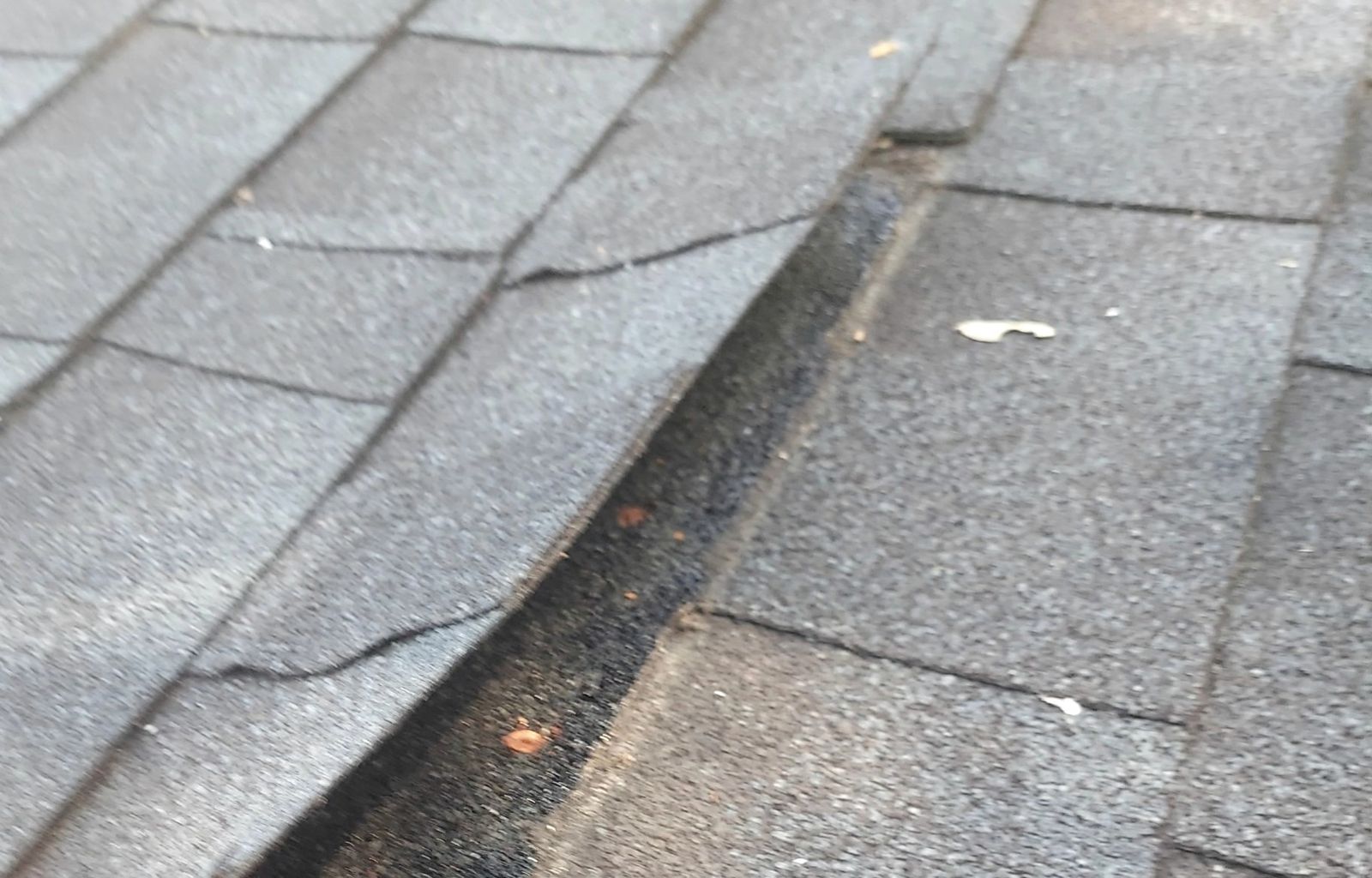
| Several missing or creased shingles across a slope | Exposed underlayment that may not hold through more rain | Temporary cover or prompt focused repair |
| One or two lifted shingle tabs, no water inside | Wind damage that is limited so far | Storm inspection and repair planning |
| A ceiling stain that appeared during wind-driven rain | A flashing, valley, vent, or edge entry point | Leak steps and an inspection |
| Gutters torn loose or hanging | Roof-edge and fascia damage may be involved | Gutter repair review |
Safety first
The most dangerous time to be on a roof is right after a storm.
Wet shingles are slick, wind can catch a tarp like a sail, and a damaged deck may not hold weight. Downed power lines and limbs that are still hanging make the yard around the house dangerous too.
- Stay off the roof during rain, wind, or lightning.
- Keep away from downed lines and report them to the utility.
- If the structure looks unsafe, leave it and call emergency services.
- Move people and belongings away from wet ceilings and light fixtures.
- Photograph damage from the ground and from inside before anything is covered.
What a proper tarp job involves
A tarp that holds through the next storm is installed with a plan.
A tarp thrown over a damaged spot and held with a few bricks often blows off in the next gust. A cover meant to last until the repair usually follows a few principles:
Generous coverage
The cover extends well past the damaged area on every side, and on many roofs it runs up and over the ridge so water cannot run underneath from above.
Secured edges
Edges are held down along their length, commonly with wood strips, so wind cannot get under the tarp and lift it.
Few new holes
Every fastener is a new opening. A careful installer keeps fastening to a minimum and away from the areas that will drain the most water.
Heavy-duty material
Thicker, UV-resistant tarps last longer in sun and wind than thin, light-duty tarps from the hardware aisle.
A temporary cover buys time; it does not fix the roof. Sun, wind, and salt air break tarps down, so check the cover after every storm and plan the permanent repair as soon as you can.
Insurance notes
Keep records of everything you do to limit the damage.
Homeowners policies commonly expect you to take reasonable steps to protect the property from further damage after a covered loss. That is one reason temporary covers are common after storms. What your policy covers, and how, is set by its wording, so read it or ask your agent before permanent work starts.
- Photos and video of the damage before the cover goes on.
- Photos after the cover is installed.
- Receipts or invoices for temporary work and materials.
- Dates: when the storm hit, when you noticed damage, and when you reported it.
For more on documenting a claim, read the North Carolina storm-damage claim checklist. An inspection describes roof condition; it does not confirm insurance coverage or a claim result.
After a major disaster
Know about Operation Blue Roof, and watch for imitators.
After some federally declared disasters, the U.S. Army Corps of Engineers runs Operation Blue Roof, which installs temporary roof covers at no cost for eligible homes. The program only runs when it is activated for a specific disaster, and sign-up details come through official government channels.
Storms also bring door-to-door offers. Be cautious with anyone who asks for large cash payments before work starts, pressures you to sign right away, or claims to be from a government program without official identification.
Coastal NC factors
Why tarps get tested hard near the coast.
The Atlantic hurricane season runs from June 1 through November 30, and nor'easters bring wind and rain outside those months. In Brunswick and New Hanover counties, barrier-island homes on Oak Island, Carolina Beach and Kure Beach, Holden Beach, and Ocean Isle Beach take open-ocean wind, while wooded lots around Leland, Boiling Spring Lakes, and Wilmington see more limb and pine debris.
Both conditions are hard on a temporary cover. A tarp that would sit quietly for weeks inland may flap loose after one windy night at the beach.

Local storm damage help
Talk through the right fix for storm damage in Brunswick and New Hanover counties.
Vera's Roofing does not publish a same-day or 24/7 arrival promise; timing depends on the property, weather, and access. If an opening is letting water in, call 910.228.8034 and describe what you see so you can discuss whether a temporary cover, a focused roof repair, or an inspection fits first. If the damage is widespread, replacement planning may become part of the conversation once the roof is safe to look at.
FAQs
Common questions about emergency roof tarps.
How long can an emergency roof tarp stay on?
Treat it as short-term. Tarps break down in sun, wind, and salt air, and a loose edge can let water in. Check it after every storm and schedule the permanent repair as soon as you can.
Can I put a tarp on my roof myself?
Getting on a wet or damaged roof is dangerous, especially after a storm. If you cannot do it safely from the ground or a properly secured position, protect the inside of the house and wait for help.
Will insurance pay for an emergency tarp?
It depends on your policy and the cause of the damage. Many policies expect reasonable steps to prevent more damage, so keep photos and receipts and ask your insurer or agent how they handle temporary repairs.
Should the tarp go over the roof ridge?
On many roofs, yes. Running the cover over the ridge helps stop water from flowing underneath it from above. The right layout depends on where the damage is and the shape of the roof.
What should I tell a roofer about storm damage?
Your town, property type, when the storm hit, where water is coming in, whether the opening is still exposed, and any safe photos of the roof, the yard debris, and interior stains.