Quick answer
Do not start by guessing the service. Start by identifying the roof problem.
If you see a leak, missing shingles, staining, or roof-edge overflow, the first step is not choosing a product. It is figuring out whether the issue is isolated, weather-related, age-related, or tied to how water is moving around the roof.
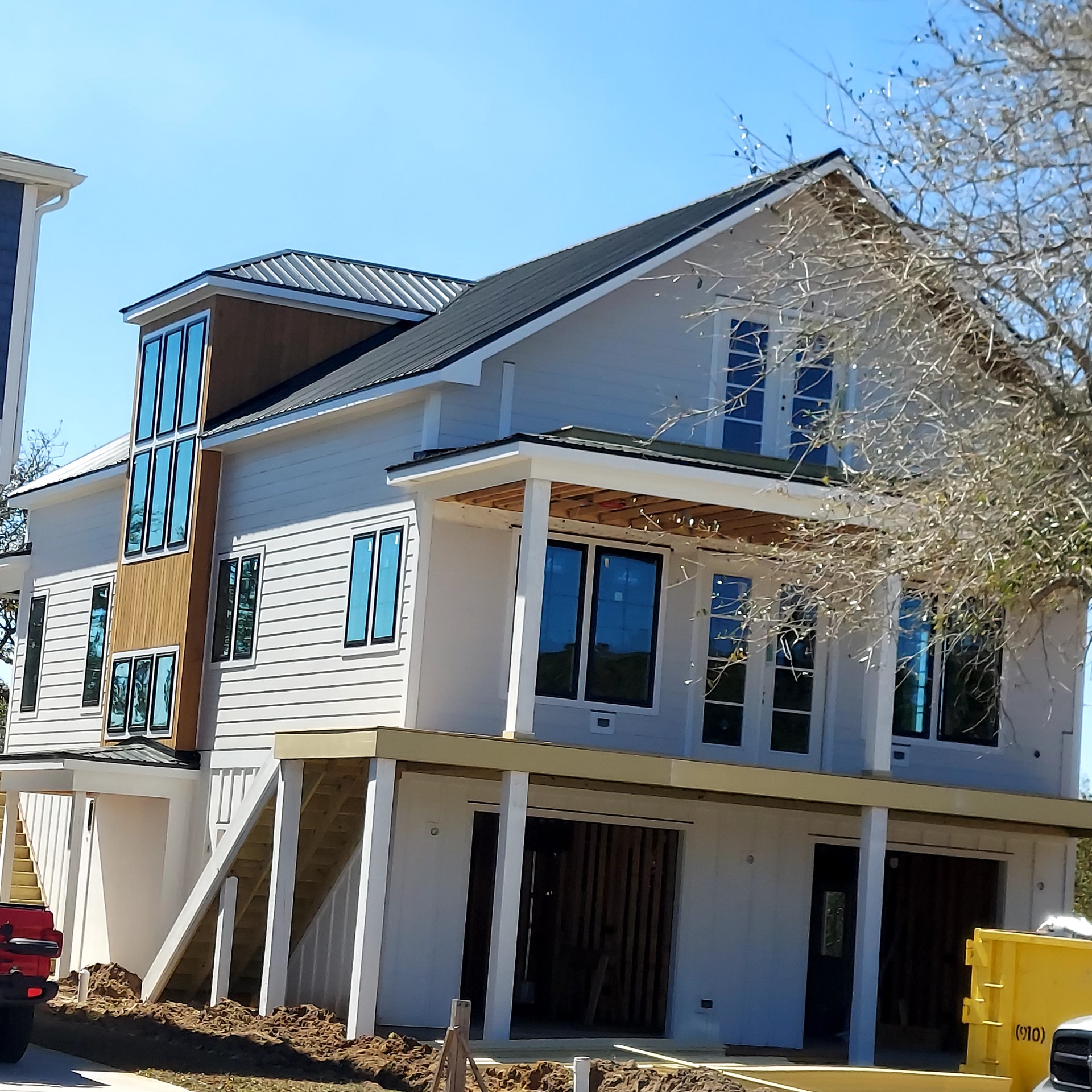
For many coastal North Carolina homes, Roof Repair may be enough when the damage is limited. A Roof Inspection is the better starting point when the source is unclear, after heavy wind or rain, or before a real estate decision. Roof Replacement or upgrade planning makes sense when problems keep returning, shingles are broadly worn, or the property owner is already planning a larger exterior improvement.
Decision guide
Repair, inspection, replacement, or roof upgrade?
| What you notice | What it may point to | Recommended action |
|---|---|---|
| One small leak or a limited area of missing shingles | A localized repair concern | Ask About Roof Repair |
| Staining after heavy rain, but the source is not obvious | A roof, flashing, wall, or gutter-related water path | Request an Inspection |
| Shingles lifting after wind or tropical weather | Wind exposure, age, fastening, or roof-surface wear | Document Visible Condition |
| Repeated gutter overflow near the roof edge | Clogs, downspout concerns, or gutter guard planning | Ask About Gutter Cleaning or Guards |
| Many older shingles, repeated leaks, or widespread wear | A roof that may be past simple repair | Discuss Replacement Planning |
| Planning a coastal exterior upgrade | Material, roofline, flashing, and water-control choices | Review Roof Work Examples |
Roof repair
Signs roof repair may be enough.
Repair is often the right first conversation when the issue appears limited and the rest of the roof still has useful life. The goal is to find the source, fix the weak spot, and avoid letting a small water path spread into a larger problem.
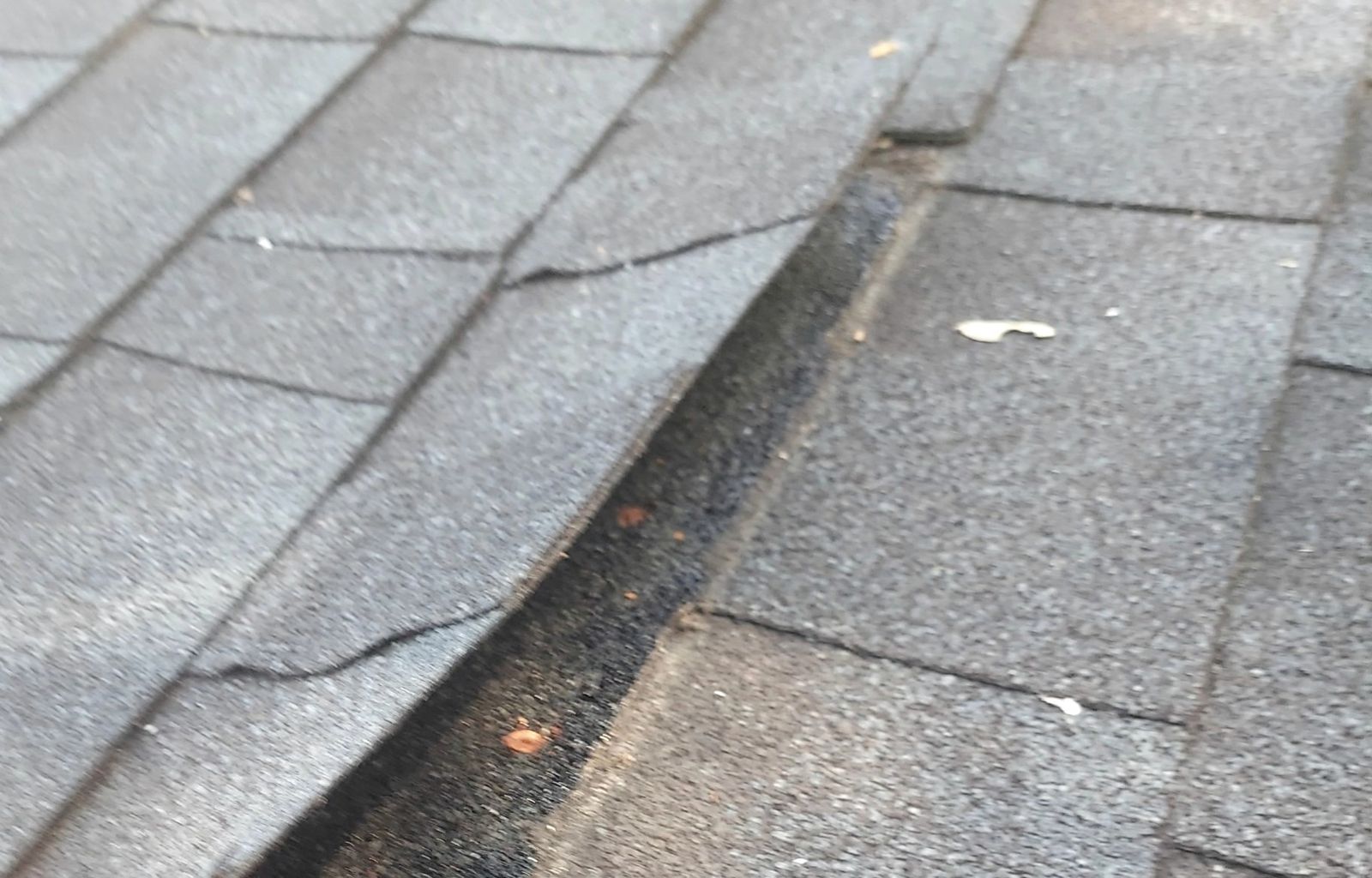
- A small area of missing or lifted shingles.
- A leak that appears to come from one roof detail.
- Loose material after wind or falling debris.
- A roof edge, valley, vent, or flashing detail that does not look right.
- A recent change on a roof that otherwise looks serviceable.
Roof inspection
When a roof inspection is worth a closer look.
A roof inspection is the safer starting point when the symptom is real but the cause is not obvious. Coastal weather can make this harder because wind, heavy rain, roof edges, gutters, wall transitions, and older shingles can all be involved.
After heavy wind or rain
Look from the ground for lifted shingles, loose material, roof-edge changes, or areas where water did not drain the way it normally does.
Before buying or selling
A roof inspection can help owners understand visible condition before a sale, rental turnover, or larger home decision.
When stains appear indoors
Ceiling or wall staining should be checked because the water path may not be directly above the stain.
Do not climb on the roof to diagnose it yourself. Ground photos, attic photos when safely accessible, and interior stain photos are enough to start the conversation.
Replacement and new roofing
When replacement or new roofing should be discussed.
Roof replacement becomes part of the conversation when the roof has widespread wear, repeated leak calls, older shingles, or a pattern of repairs that no longer feels like a clean long-term answer.
That does not mean every old roof needs immediate replacement. It means the inspection should look at the whole roof picture: age, slope, shingle condition, ventilation questions, flashing, roof edges, past repairs, and how the property is used.
- Repairs keep coming back in different areas.
- Many shingles are curling, brittle, missing, or worn.
- The roof is being reviewed before a sale or larger exterior improvement.
- The owner wants to compare shingle, metal, or specialty roof details.
Roof upgrades
Roof upgrades worth asking about for coastal homes.
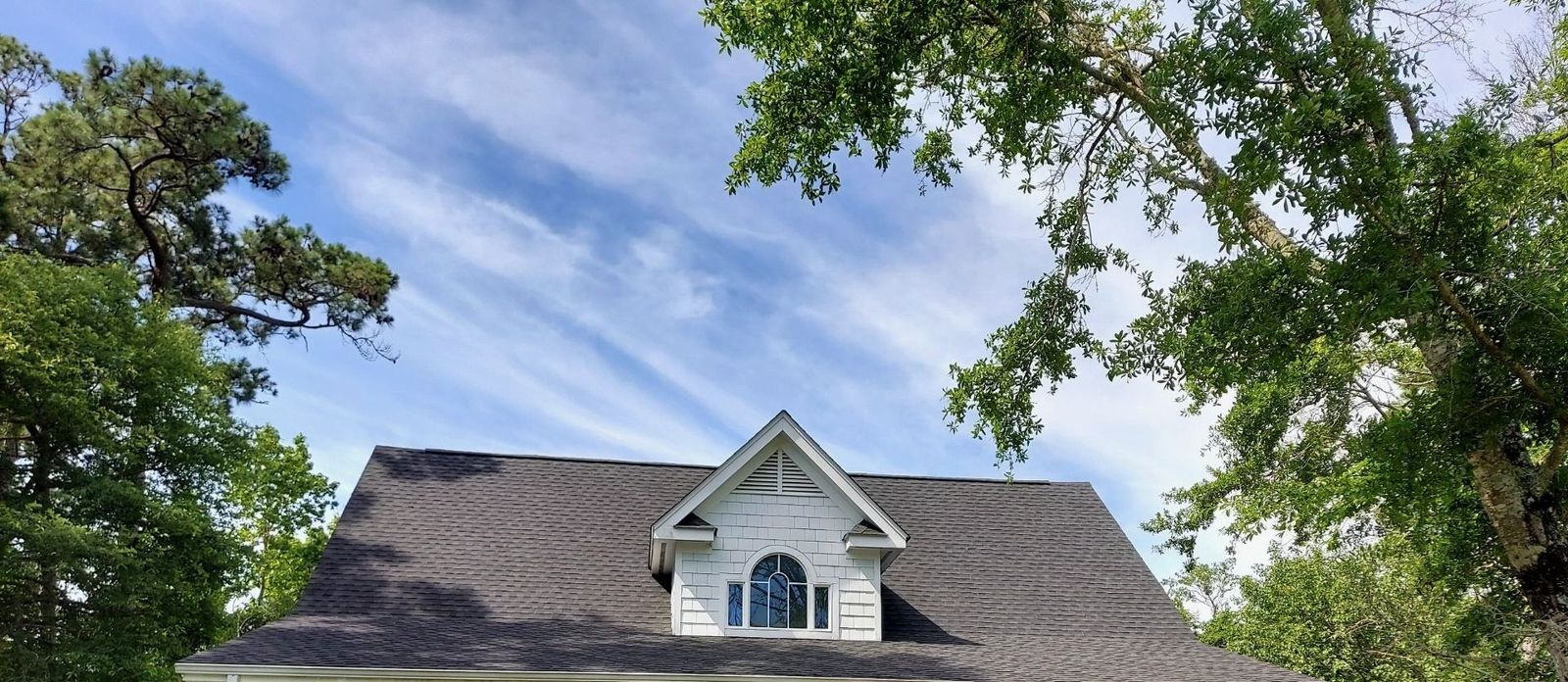
Roof upgrades should be practical, not cosmetic only. Near the coast, ask how the roof plan handles wind exposure, heavy rain, salt air, roof edges, valleys, flashing, ventilation, and material transitions.
Hand-nailed shingle work when included in scope
When hand-nailing is part of the agreed scope, the installer can check nail placement and depth before the next shingle covers the fastener. Ask when it makes sense for your roof plan.
Read About Hand-nailed Shingle WorkCertainTeed roof-system questions
For eligible CertainTeed shingle replacements, ask which material package, written terms, registration, transfer rules, and exclusions apply before materials are ordered.
Ask About Roof-system OptionsMetal roofing and copper flashing
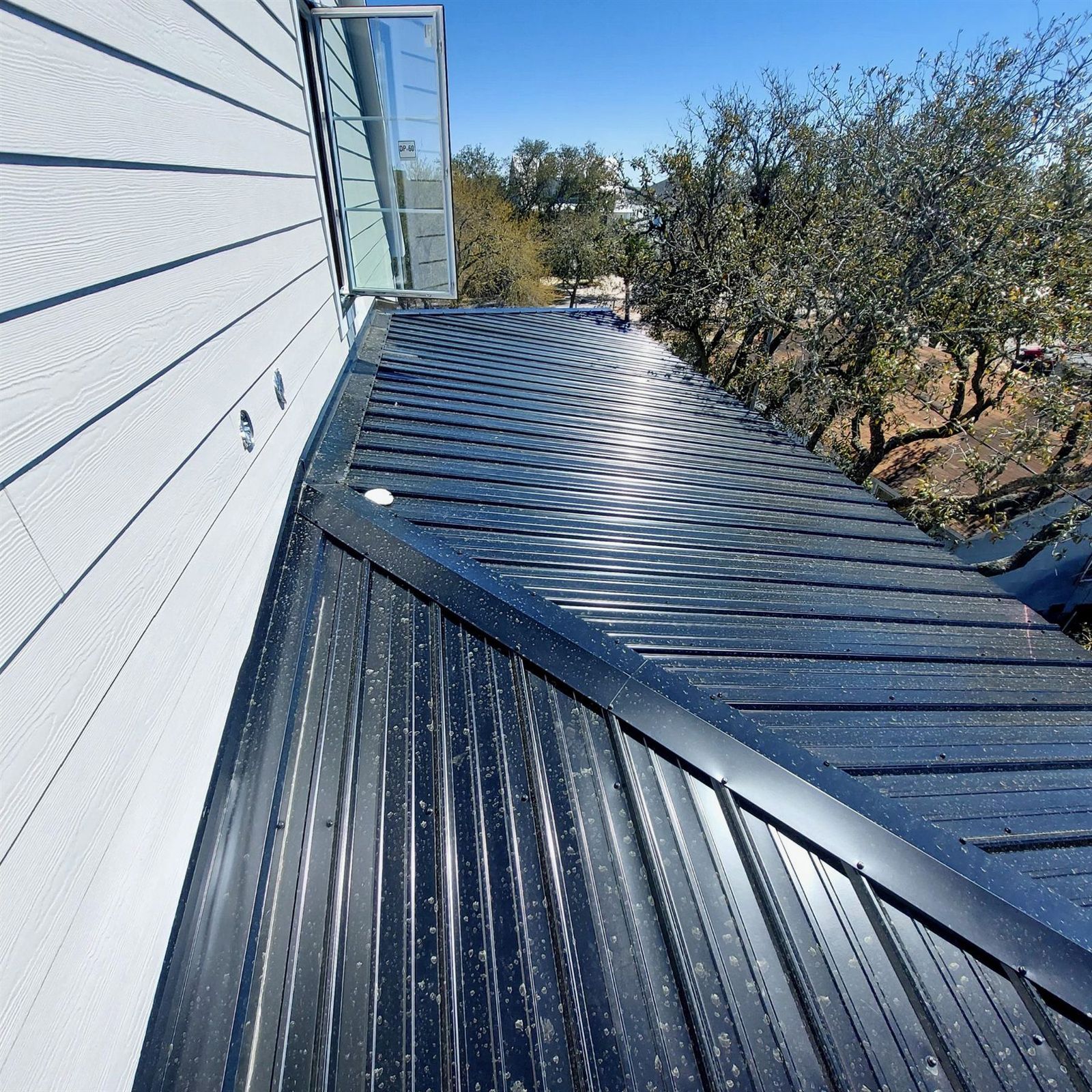
Metal rooflines, copper flashing, eaves, ridges, and transitions need clean detailing because exposed edges take wind, rain, salt air, and sun.
See Metal and Copper DetailsEPDM for flat or low-slope areas
Some low-slope sections need membrane-style waterproofing instead of shingles. Ask whether EPDM rubber membrane work fits that roof area.
Read About EPDM Roof AreasGutters and roof edges
Gutter issues can look like roof problems.
Not every water issue starts on the roof surface. Clogged gutters, downspout concerns, leaf buildup, or water overshooting the roof edge can create staining, fascia concerns, landscaping washout, or water near the foundation.
If the same section overflows during heavy rain, ask whether the work should start with gutter cleaning, downspout review, roof-edge water-control planning, or gutter guard installation.
Ask About Gutter Cleaning and Gutter Guards. For more detail, read the Coastal NC Gutter Guard Guide.
Before you call
What to photograph before asking for roof help.
Photos are optional, but they help the first conversation when they show the exact issue from a safe location.
- The outside roof area from the ground.
- Missing, lifted, or loose shingles if visible without climbing.
- Ceiling stains, wall stains, or water marks indoors.
- Gutters overflowing or clogged with debris.
- Downspout discharge areas and water pooling near the home.
- The town, property type, and when you first noticed the issue.
Local roof help
Roofing help in Brunswick County, Wilmington, and nearby coastal communities.
Vera's Roofing works with homeowners, rental property owners, and business property owners across Brunswick County, Wilmington, New Hanover County, and nearby coastal North Carolina communities. Coastal weather makes practical roof planning important: heavy rain, wind, humidity, salt air, roof edges, flashing, and gutters all affect how water moves around a property.
Not sure whether your property is in range? Start with the town, property type, and what changed. View Roofing and Gutter Service Areas.
FAQs
Common questions about roof repair, replacement, and upgrades.
How do I know if I need roof repair or replacement?
Start with the size and pattern of the problem. One limited issue may point to repair. Repeated leaks, widespread shingle wear, or an older roof with multiple problem areas may point to replacement planning.
What if the leak only shows up during heavy rain?
Heavy rain can expose roof, flashing, wall, gutter, or drainage issues. An inspection is the better starting point when the source is not obvious. For active leaks, read What to Do When Your Roof Leaks During Heavy Rain.
Should I inspect my roof after strong wind?
Look safely from the ground for lifted shingles, missing material, loose debris, or roof-edge changes. If something looks different, request an inspection instead of climbing on the roof yourself.
Can a gutter problem look like a roof leak?
Yes. Overflowing gutters or downspout problems can send water where it does not belong. That can create stains or moisture concerns near roof edges, fascia, walls, landscaping, or foundations.
What photos help before I call?
Safe ground photos of the roofline, missing shingles, gutter overflow, downspouts, interior stains, and the area where water appears are all useful. Include your town and property type.
Does coastal weather change roof planning?
Yes. Wind, heavy rain, humidity, salt air, roof edges, and flashing details can all affect roof repair, replacement, and upgrade decisions in coastal North Carolina.